Securing your home doesn’t always mean investing in expensive alarm systems or round-the-clock security guards. Sometimes, the simplest measures are the most effective. Security outdoor lighting is one of the easiest, most affordable ways for Fort Mill homeowners to deter intruders while keeping families safe.
Studies by the U.S. Department of Justice have shown that well-lit homes are far less likely to be targeted by burglars. Criminals prefer dark, hidden entry points, and a sudden burst of light can stop them in their tracks. But security lighting isn’t only about crime prevention—it also improves safety by reducing slips, trips, and falls on your property at night.
As smart home technology becomes more common, security lighting has evolved from basic floodlights to sophisticated systems that integrate with cameras, alarms, and even your smartphone. This guide explores everything you need to know: the benefits of security lighting, installation tips, common mistakes, and when to hire a professional Fort Mill electrician.
Table of Contents
What is Security Lighting and Why it Matters
Security lighting refers to strategically placed lights designed to protect your property. Unlike decorative outdoor lighting, the primary purpose of security lighting is visibility and deterrence.
Acts as a deterrent: Burglars often seek easy, dark targets. A motion-activated light can scare them away before they attempt a break-in.
- Increases visibility: Walkways, driveways, and backyards become safer to navigate.
- Peace of mind: Families feel safer with well-lit surroundings.
- Protects visitors: Properly lit steps, paths, and porches reduce liability risks from falls.
Think of security lighting as your home’s first line of defense. It may not replace alarms or cameras, but it works hand-in-hand with them to create a layered security strategy.
How Lighting Improves Security
Lighting doesn’t just brighten spaces—it shapes behavior. Here’s how:
- Crime prevention: Motion-activated lighting startles trespassers, making them think they’ve been spotted.
- Improved safety: Bright driveways and walkways reduce accidents for kids, pets, and guests. According to the National Institute on Aging, poor outdoor lighting is one of the leading contributors to senior falls.
- Boosts property value: A well-lit home looks cared for, improving curb appeal.
- Energy efficiency: ENERGY STAR® reports that LED and solar lighting cut energy use by up to 75% compared to halogen bulbs.
- Insurance perks: Some insurance providers may offer discounts for homes with approved exterior lighting systems.
Pro Tip: Burglars often “case” a neighborhood before choosing a target. A house with bright, well-placed lighting instantly looks less appealing.
Types of Security Lighting Options
Not every light serves the same purpose. Here’s a breakdown of the most common options used in Fort Mill homes:
1. Motion Sensor Lights
- Turn on only when motion is detected.
- Save energy since they’re not on all night.
- Great for backyards, side entrances, and garages.

2. Floodlights
- Bright, wide coverage (often 1,200–2,500 lumens).
- Excellent for large driveways, backyards, or parking areas.
- Best when mounted high and angled correctly to avoid glare.
3. Pathway & Entry Lighting
- Smaller fixtures that illuminate porches, steps, or sidewalks.
- Prevents accidents and adds a welcoming look.
- Can be low-voltage (12V) systems for energy efficiency.

4. Smart Security Lighting
- Connects with home security systems and cameras.
- Controlled via smartphone apps or voice assistants.
- Can be programmed for schedules, or triggered by motion.

5. Dusk-to-Dawn Lights
- Turn on automatically at sunset and off at sunrise.
- Ideal for homeowners who want continuous coverage.

Best approach: Layer multiple types of lighting—motion sensors for deterrence, floodlights for coverage, and pathway lighting for safety.
How Many Lumens Do I Need for Outdoor Security Lighting?
When it comes to security lighting, brightness matters just as much as placement. Homeowners in Fort Mill often ask, “How bright should my lights be?” The answer depends on the specific area you’re illuminating. Each part of your property requires a different level of light output to be both safe and effective. Light that’s too dim won’t deter intruders or prevent accidents, while overly bright fixtures can cause glare, waste energy, and even create tension with neighbors. Striking the right balance is key.
Here’s a simple guide to recommended lumen ranges for common outdoor areas:
- Entry doors & porches: 700–1,000 lumens. Bright enough to clearly see faces at the door while still providing a welcoming glow.
- Driveways & side yards: 1,500–2,500 lumens. Stronger lighting here helps prevent vehicle break-ins and keeps side entrances from becoming vulnerable hiding spots.
- Pathways & walkways: 100–300 lumens. Softer lighting prevents trips and falls without creating glare that can disorient visitors.
- Backyards or large open spaces: 2,000+ lumens with floodlights. Wide coverage is ideal for deterring intruders and keeping large outdoor areas visible.
Pro Tip: Always choose LED fixtures, which deliver the same brightness as traditional bulbs at a fraction of the energy cost, often saving 75% or more on electricity while lasting up to 10 times longer.
Where to Place Security Lights
Even the brightest light won’t help if it’s in the wrong spot. Placement is everything.
Front entry: Position above the door or garage.
Front entry: Position above the door or garage to clearly illuminate visitors and deter break-ins.
Backyard: Cover patio doors, fences, and gathering areas where intruders may attempt entry.
Side yards: These often-overlooked areas can be prime hiding spots if left dark.
Driveways: Floodlights mounted on the garage help prevent vehicle break-ins.
Dark corners: Burglars love shadows—light them up.
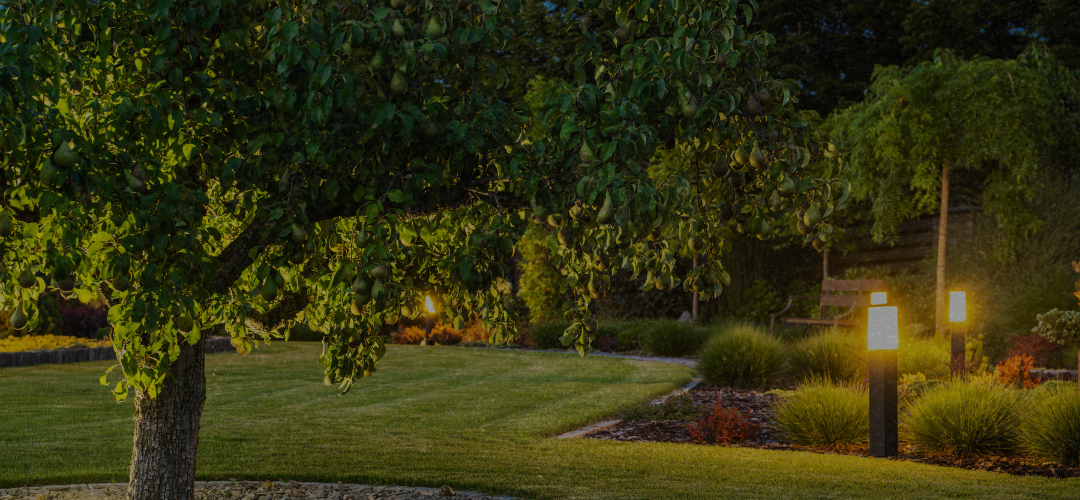
Landscaping: Intruders often hide behind bushes, trees, and greenery. Adding landscape lighting around shrubs, hedges, and garden features eliminates hiding places while also boosting curb appeal.
Avoid pointing lights directly at neighbors’ windows—over-lighting can cause disputes.
How to Install Security Lighting
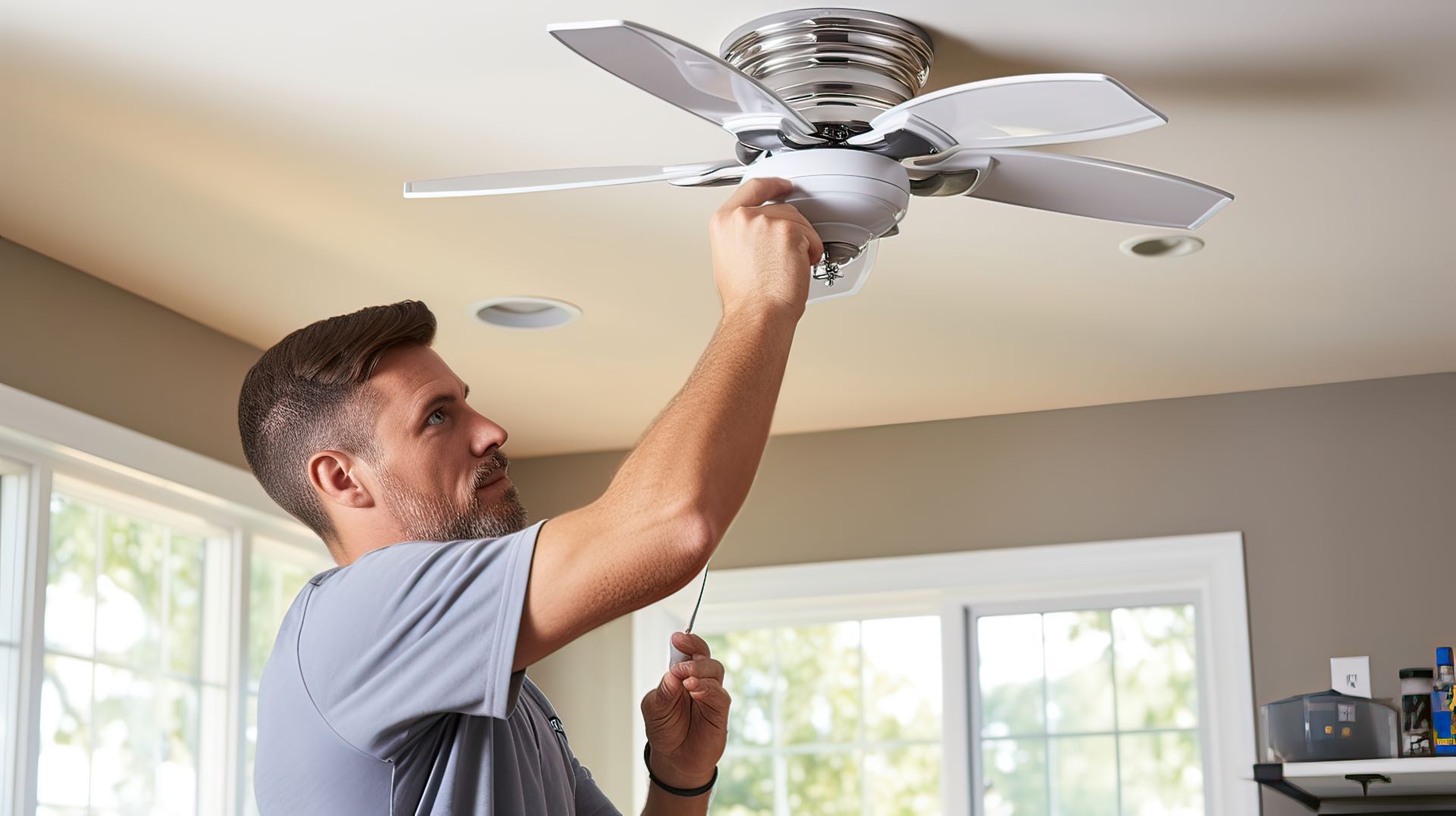
DIY Installation (Replacing Existing Fixtures)
- Turn off power at the breaker.
- Remove the old fixture and check the electrical box (must be outdoor-rated).
- Install mounting bracket for new fixture.
- Connect wires (black-to-black, white-to-white, ground-to-ground).
- Secure the fixture and add weatherproof covers.
- Test the light to ensure proper operation.
Professional Installation (New Fixtures or Complex Systems)
- Adding new circuits or outlets.
- Installing GFCI-protected wiring outdoors.
- Integrating smart lighting with cameras and alarms.
- Ensuring compliance with electrical codes.
If you’re unsure, hire a licensed Fort Mill electrician. Improper wiring outdoors can lead to shocks, shorts, or fire hazards.
Common Security Lighting Mistakes to Avoid
Even with good intentions, many homeowners fall into the same traps when installing security lighting. These mistakes not only reduce effectiveness but can also lead to wasted money or frustrated neighbors.
- Too few lights (leaving blind spots): Installing one or two lights for the entire property often leaves large areas in darkness. Intruders only need one shadowed corner to hide. A proper security lighting plan layers multiple fixtures across entry points, driveways, and side yards.
- Improper height: Mounting a light too high can scatter brightness, reducing visibility. Too low, and the light creates glare, blinding anyone walking by and making it easier for burglars to avoid detection. The sweet spot is typically 8–12 feet above ground, depending on the fixture type.
- Wrong brightness: Lights that are too dim won’t scare away intruders or properly illuminate paths. On the other hand, extremely bright floodlights can create “hot spots” that actually make surrounding areas look darker by contrast. Choosing the correct lumen level for each location ensures even, useful coverage.
- Skipping LEDs: Traditional halogen or incandescent bulbs not only burn out quickly but also use far more energy. Homeowners who avoid upgrading to LED often see higher monthly bills and spend more time replacing bulbs. LEDs last up to 25 times longer and cost significantly less to run.
- Over-lighting: While it’s tempting to “light up everything,” over-lighting can wash out camera footage, disrupt wildlife, and frustrate neighbors who may have light shining into their windows. Smart placement is more effective than brute-force brightness.
- No maintenance: Dirt, cobwebs, or yellowing plastic covers can cut light output by half. Burnt-out bulbs or loose wiring often go unnoticed until the night you need them most. A seasonal cleaning and inspection schedule keeps lights reliable year-round.
Rule of thumb: Balance brightness and coverage without turning your yard into a stadium.
Smart Security Lighting Solutions
Modern lighting is smarter than ever.
- Integration with cameras: Lights activate recording when motion is detected.
- App control: Adjust brightness or schedules remotely.
- Voice assistants: Control with Alexa, Google, or Siri.
- Solar-powered lights: Ideal for detached areas without wiring.
Many Fort Mill homeowners use hybrid setups—solar-powered motion lights for remote corners and wired floodlights for main entrances.
Maintenance: Keeping Your Security Lighting Effective
Even the best system won’t work forever without upkeep.
- Seasonal cleaning: Dirt, dust, and bugs reduce brightness.
- Check bulbs: Replace burnt-out or flickering LEDs.
- Test sensors: Make sure motion detectors trigger correctly.
- Trim landscaping: Bushes and trees can block light.
- Annual inspection: A quick electrician check ensures wiring is safe.
Costs: DIY vs Professional Installation
The cost of security lighting depends on factors such as property size, number of fixtures, wiring complexity, and whether you choose standard or smart systems.
Here’s a breakdown:
DIY Costs
- LED motion light fixtures ($40–$150 each): Good for replacing existing wall-mounted lights at entry points.
- Floodlights ($75–$200): Brighter fixtures suitable for large driveways or backyards.
- Solar security lights ($50–$120): Popular for detached sheds, fences, or rural properties where wiring isn’t practical.
Example: A Fort Mill homeowner replacing two porch lights with motion-activated LEDs could spend under $300 total, including fixtures and tools.
Professional Costs
- Electrician hourly rate ($75–$125): Most small jobs (1–2 fixtures) can be done in 1–2 hours.
- New circuit installation ($300–$500): Required if you don’t have existing outdoor wiring or want multiple high-powered fixtures.
- Full-home outdoor lighting system ($1,000–$3,000+): Covers large homes with multiple entry points, pathways, and backyards.
Example: A larger Fort Mill property with a fenced yard and detached garage might spend around $2,500 for a complete system with floodlights, pathway lighting, and smart integration.
When to Call a Professional Electrician
While some basic security lighting can be handled as a DIY project, there are situations where it’s best—and often safest—to bring in a licensed electrician.
- New wiring or circuits
If your home doesn’t already have outdoor-rated electrical connections where you want the lights installed, a professional will need to run new wiring or add a circuit. This ensures the load is balanced properly and complies with safety codes. - Large properties needing multiple fixtures
Homes with big yards, long driveways, or multiple access points often require a coordinated lighting plan. An electrician can design the system so fixtures don’t overload a single circuit and every area gets the right amount of coverage. - Smart lighting integration
Installing lights that connect with home automation systems, cameras, or alarms may require special wiring, hubs, or WiFi-enabled switches. A professional can handle the setup so your smart lights function seamlessly. - Compliance with codes and HOA rules
South Carolina building codes and some homeowners’ associations in Fort Mill may have restrictions on fixture placement, brightness, or wiring methods. An electrician ensures your installation meets these requirements so you avoid violations or fines. - Peace of mind
Beyond technical details, hiring a professional gives you confidence that the job is done safely. Poorly wired outdoor lights can cause shocks, short circuits, or even fire hazards. With an expert, you know your system is reliable and long-lasting.
Remember: outdoor wiring mistakes aren’t just inconvenient—they can be dangerous.
Home Security Lighting FAQs
Motion-activated lights only turn on when movement is detected, which conserves energy and startles intruders. Dusk-to-dawn lights stay on all night, ensuring continuous visibility but using more electricity. Many homeowners in Fort Mill choose a mix of both—motion lights for backyards and continuous lighting for driveways.
Continuous lighting means fixtures remain on all night without relying on sensors. It provides constant visibility but can increase utility bills unless you use efficient LEDs or solar-powered lights.
For replacing an existing fixture, permits are usually not required. However, if you’re adding new wiring, circuits, or underground cables, you may need approval from the county or in your HOA. Always check local requirements before starting major electrical work.
For replacing an existing fixture, permits are usually not required. However, if you’re adding new wiring, circuits, or underground cables, you may need approval from the county or in your HOA. Always check local requirements before starting major electrical work.
LED bulbs last between 25,000 and 50,000 hours—roughly 10–15 years depending on usage. By contrast, halogen bulbs may last only 1,000–2,000 hours, making LEDs the smarter investment.
For visibility and recognition, choose 4000K–5000K (cool white). Warm white (2700K–3000K) creates a softer glow but isn’t as effective for spotting movement or reading license plates.
Yes. Smart fixtures can be connected to WiFi or hubs, allowing you to control lights via apps, voice assistants, or integration with security cameras. In Fort Mill neighborhoods, this is especially useful when you’re away from home—you can turn on lights remotely to make the house look occupied.
They can. Avoid angling floodlights directly into neighboring yards or windows. Use shields or motion sensors to limit unnecessary brightness. Proper placement keeps you safe without causing disputes.
Solar technology has improved significantly. In sunny climates like South Carolina, solar floodlights can store enough energy to last through the night. However, for shaded areas or continuous lighting, wired fixtures are still more reliable.
Inspect fixtures at least every 6 months. Clean covers, replace burnt-out bulbs, and test motion sensors. After heavy storms, check for water intrusion or wiring damage.
Security lighting is one of the smartest, most cost-effective upgrades you can make. It improves safety, deters intruders, and adds value to your property. But the benefits only come when lights are placed correctly, maintained regularly, and installed safely.