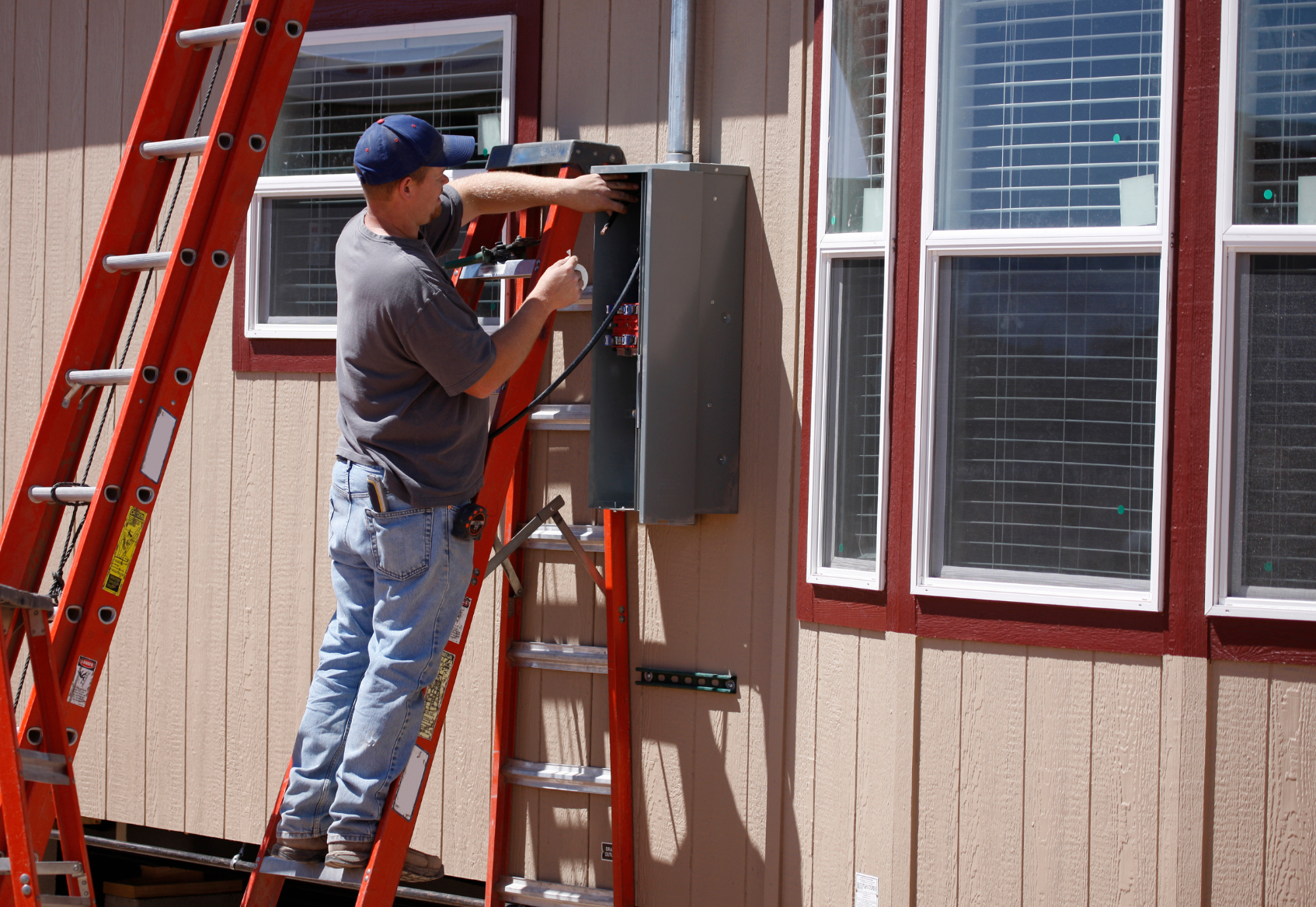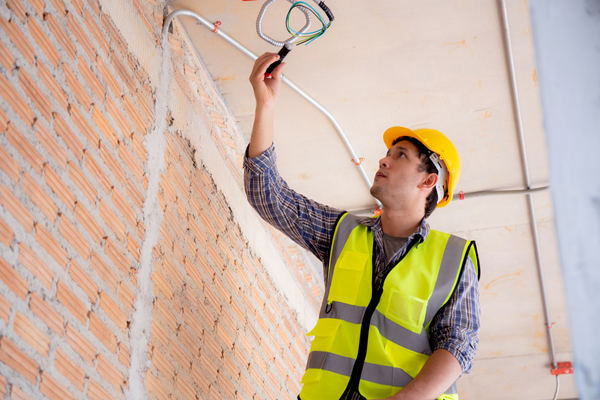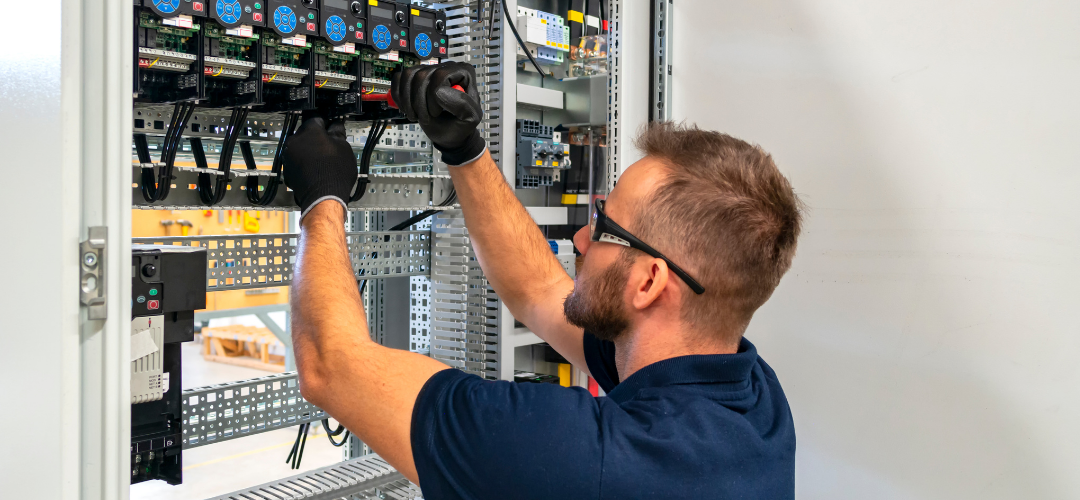
Why do Fort Mill homes need electrical system upgrades? Fort Mill homes need electrical upgrades because older systems cannot handle modern electrical demands from multiple devices, home offices, and new appliances. Houses built before 2000 often have outdated components that create safety risks and limit functionality.
What are signs your home’s electrical system is outdated? Signs of an outdated electrical system include:
- Flickering or dimming lights
- Frequently tripping circuit breakers
- Warm or discolored outlet covers
- Two-prong outlets without grounding
- Fuse boxes instead of circuit breakers
- Burning smells from outlets or panels
What benefits do modern electrical upgrades provide? Modern electrical upgrades deliver three main benefits: improved safety through proper grounding and circuit protection, increased energy efficiency that lowers utility bills, and higher home values that attract buyers. Insurance companies often reduce premiums for homes with updated electrical systems.

Table of Contents
Assessing Your Current Electrical System
How do you identify your home’s electrical panel age and capacity? To identify your electrical panel’s age and capacity: Open the panel door and look for the manufacturer’s label, which shows a date code or serial number. Check the main breaker number – it shows your service capacity (60, 100, or 200 amps). Panels over 25 years old typically need replacement.
What electrical issues are common in older Fort Mill homes? Common electrical issues in older Fort Mill homes include:
- Aluminum wiring from the 1960s-1970s
- Undersized 60-amp or 100-amp electrical panels
- Missing GFCI protection in bathrooms and kitchens
- Insufficient outlets causing extension cord dependence
- Outdated fuse boxes instead of circuit breakers
- Lack of proper grounding systems
Which warning signs require immediate attention? These warning signs need immediate professional attention:
- Burning smells near outlets or electrical panels
- Visible sparks when plugging in appliances
- Outlets that feel hot to the touch
- Scorch marks or discoloration on outlet covers
- Electrical shocks from switches or appliances
When should you call a professional electrician for evaluation? Call a professional electrician when you notice multiple warning signs, plan major renovations, add high-power appliances, experience frequent breaker trips, or buy an older home. An electrician in Fort Mill performs load calculations and identifies code violations.

Essential Electrical System Upgrades
Electrical Panel Upgrades
Should you upgrade from fuse boxes to circuit breakers? Yes, upgrading from fuse boxes to circuit breakers improves safety and convenience. Circuit breakers trip and reset easily without replacement, respond faster to electrical problems, and allow selective circuit shutoff for maintenance.
What’s the difference between 100-amp vs 200-amp service panels? The difference between 100-amp and 200-amp panels:
- 100-amp panels work for homes under 2,000 square feet with gas appliances
- 200-amp panels support larger homes with electric heating, central air, and electric vehicle charging
- 200-amp service provides 100% more electrical capacity for future needs
What are smart electrical panels and monitoring systems? Smart electrical panels are advanced systems that monitor energy usage by individual circuit, send smartphone alerts about electrical problems, allow remote circuit control, and track power consumption patterns. These panels help identify energy waste and prevent electrical issues.
What’s the return on investment for panel upgrades? Panel upgrades typically deliver 70-80% return through increased home value. Additional savings come from reduced insurance premiums, prevented appliance damage, and eliminated fire risks. Most homeowners recover their investment within 5-7 years.
Outlet and Switch Modernization
Where do you need GFCI outlets? GFCI outlets are required:
- Within 6 feet of kitchen sinks
- All bathroom outlets
- Outdoor outlets and covered porches
- Garage and basement outlets
- Near pools, hot tubs, and fountains
- Laundry rooms and utility sinks
What are the benefits of USB outlets and smart switches? USB outlets eliminate adapter clutter while providing dedicated device charging. Smart switches enable remote control, scheduling, and voice commands through home assistants. Both upgrades add convenience and appeal to modern buyers.
How many outlets should each room have? Proper outlet placement includes:
- Bedrooms: Outlets on every wall, no more than 12 feet apart
- Living rooms: Multiple outlets for entertainment systems
- Home offices: 6-8 outlets for computer equipment
- Kitchens: Outlets every 4 feet along countertops
What is AFCI protection and why is it important? Arc-fault circuit interrupter (AFCI) protection detects dangerous arcing in damaged wires that standard breakers miss. AFCIs prevent electrical fires by shutting off power before ignition occurs. Current codes require AFCI protection in all bedrooms.
Whole-House Surge Protection
How do power surges damage your home? Power surges damage homes by sending excess voltage through electrical systems, destroying circuit boards in appliances, corrupting data in computers, shortening LED bulb lifespan, and causing cumulative damage over time. Even small surges from motor startups cause harm.
What types of surge protection systems exist? Three types of surge protection systems:
- Type 1: Meter-mounted devices stopping external surges
- Type 2: Panel-mounted protectors for whole-house coverage
- Type 3: Outlet plug-in devices for specific equipment
What are installation requirements for surge protection? Surge protection installation requires proper grounding connections, correct wire gauge for amperage, appropriate device ratings, and professional mounting. Professional wiring and outlet installation guarantees proper setup and maximum protection.

Smart Home Electrical Features
How do smart lighting systems work? Smart lighting systems work through WiFi or hub connections that enable smartphone control, voice commands, automated schedules, and brightness adjustment. Motion sensors activate lights automatically. Vacation modes create lived-in appearances. Color-changing bulbs set entertainment moods.
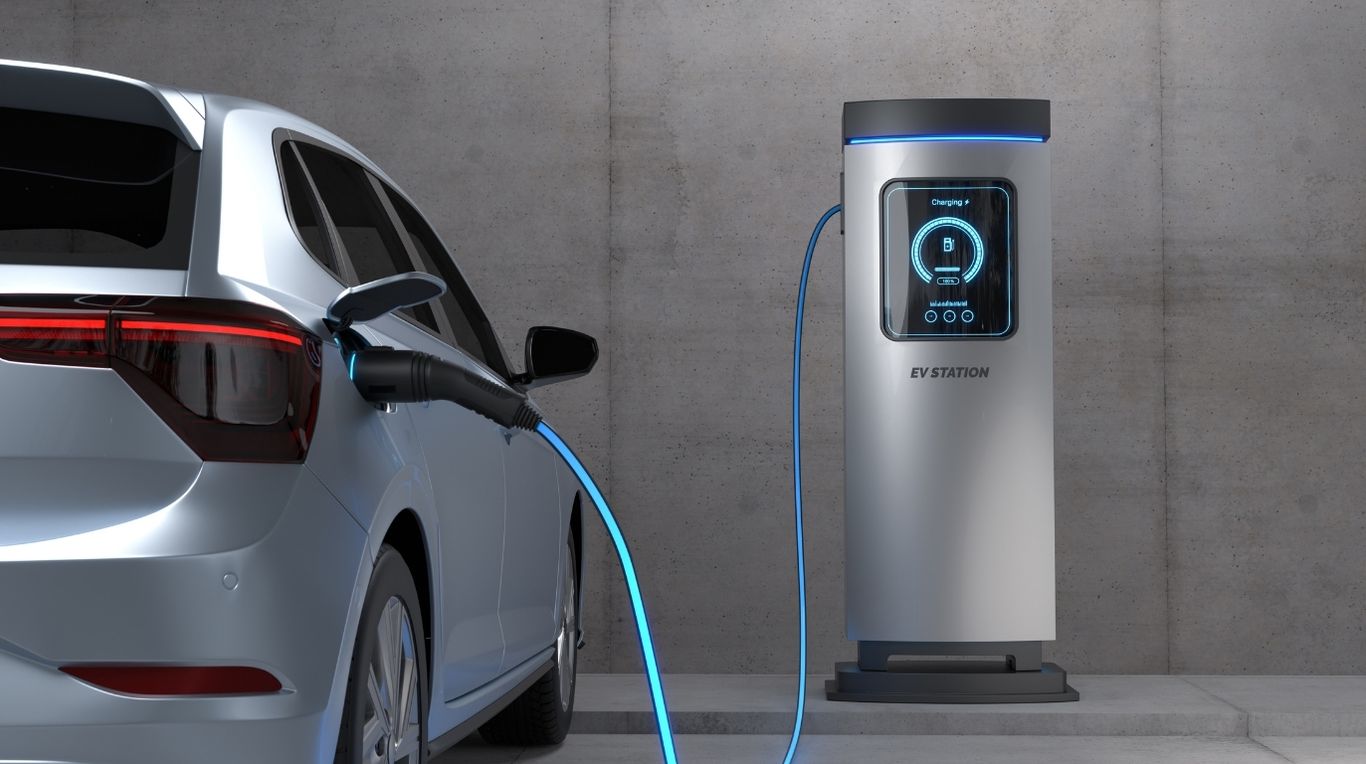
What electrical requirements exist for EV charging stations? Electric vehicle charging stations require:
- Dedicated 240-volt circuits (like dryer outlets)
- 40-50 amp breaker capacity for Level 2 chargers
- Weatherproof installations for outdoor mounting
- Proximity to electrical panels to reduce installation costs
- Smart features for scheduled off-peak charging
How should homes prepare for automation systems? Home automation preparation includes installing structured wiring panels, running Category 6 ethernet cables, adding conduit for future wiring, and creating low-voltage pathways. Planning during construction or renovation saves thousands compared to retrofitting.
Do smart thermostats need special wiring? Smart thermostats need C-wire (common wire) connections for constant power. Older systems might lack this wire, requiring new thermostat cable installation. Zoning systems need additional wiring between thermostats and control panels.

Energy Efficiency Upgrades
How much energy do LED lights save? LED lights save 75% on electricity compared to incandescent bulbs while lasting 25 times longer. A single LED bulb saves $80-100 over its lifetime. Whole-house conversion typically reduces lighting costs by $200-400 annually.
Where should ceiling fans be installed? Ceiling fans should be installed in:
- Bedrooms for sleeping comfort
- Living areas for air circulation
- Covered porches for outdoor comfort
- Home offices for energy savings Room size determines fan diameter: 36″ for rooms up to 75 sq ft, 42-44″ for 75-144 sq ft, 52-54″ for 144-225 sq ft.
What electrical changes do efficient appliances need? Energy-efficient appliances often need:
- Dedicated circuits for induction cooktops (240V/40-50amp)
- Proper capacity for heat pump water heaters
- Individual circuits for high-efficiency washers
- Updated outlets for Energy Star refrigerators
How do you prepare electrical systems for solar panels? Solar panel preparation includes reserving electrical panel space, installing disconnect switches, upgrading to 200-amp service, adding production meters, and running conduit to roof areas. Solar-ready systems simplify future installation and qualify for incentives.

Safety and Code Compliance
What electrical codes apply to Fort Mill homes? Fort Mill homes must meet National Electrical Code (NEC) requirements plus South Carolina amendments. Key requirements include GFCI protection in wet areas, AFCI protection in bedrooms, proper grounding systems, and adequate circuit capacity.
How do grounding improvements increase safety? Grounding improvements increase safety by directing fault currents safely to earth, protecting against electrical shock, reducing fire risks, and protecting sensitive electronics. Modern grounding uses dedicated ground rods instead of water pipes.
What’s required for smoke and CO detector wiring? Smoke and CO detector wiring requirements:
- Hardwired units with battery backup
- Interconnection so all alarms sound together
- Detectors in every bedroom and hallway
- CO detectors near sleeping areas and fuel-burning appliances
- Monthly testing and annual battery replacement
What outdoor electrical safety upgrades are needed? Outdoor electrical safety requires:
- Weatherproof outlet covers (in-use type)
- GFCI protection on all circuits
- Proper burial depths for underground wiring (18″ for residential)
- Weatherproof disconnects for pool equipment
- Tamper-resistant outlets near play areas
Planning Your Electrical Upgrade Project
How much should you budget for electrical upgrades? Budgeting for electrical upgrades depends on project scope. Plan for safety issues first, then efficiency improvements, then convenience features. Get three estimates for accurate pricing. Quality materials and licensed work prove worth the investment.
Which electrical upgrades should be prioritized? Priority order for electrical upgrades:
- Immediate safety issues (aluminum wiring, burn marks)
- Panel upgrades for adequate capacity
- GFCI/AFCI protection for shock and fire prevention
- Grounding improvements for overall safety
- Convenience upgrades (smart features, additional outlets)
What permits are required in Fort Mill? Fort Mill requires permits for:
- Electrical panel replacements
- Circuit additions or modifications
- Rewiring projects
- Outdoor electrical installations
- Electric vehicle charger installations Licensed electricians Fort Mill SC handle permit applications and schedule inspections.
How long do different electrical upgrades take? Typical timeline for electrical upgrades:
- Panel replacement: 4-8 hours
- GFCI outlet installation: 30 minutes per outlet
- Whole-house rewiring: 3-7 days
- EV charger installation: 2-4 hours
- Smart home wiring: 1-3 days depending on complexity
Conclusion
What are the key electrical upgrade priorities? Key electrical upgrade priorities for Fort Mill homeowners: Fix safety hazards immediately, upgrade inadequate panels, install GFCI/AFCI protection, improve grounding systems, and add smart features for convenience. Each upgrade improves safety while adding home value.
What are the next steps for Fort Mill homeowners? Next steps: Schedule professional electrical evaluation, identify safety issues and code violations, create prioritized upgrade plan, obtain cost estimates, and begin with critical safety repairs. Johnathon Brown Electric provides expert assessment with over 30 years of experience serving Fort Mill families.
Where can you find electrical upgrade resources? Resources for electrical upgrades include Fort Mill building department for permits, Duke Energy for rebates and programs, electrical repair services for emergency issues, and Johnathon Brown Electric for professional consultation. Research online reviews and verify licensing before hiring contractors.
Ready to upgrade your Fort Mill home’s electrical system?
Contact Johnathon Brown Electric today for professional evaluation and honest recommendations. Their experienced team handles everything from simple outlet additions to complete system overhauls.
Why choose Johnathon Brown Electric?
- Serving Fort Mill for decades with trusted expertise
- Licensed and insured electricians Fort Mill SC residents recommend
- Upfront pricing with no hidden fees
- Same-day service for urgent safety issues
- Complete warranty on all work performed
Schedule your consultation now and discover how electrical upgrades improve your home’s safety, efficiency, and value. Don’t wait for electrical problems to become emergencies – take action today for a safer, more comfortable home tomorrow.
Call Johnathon Brown Electric or visit their website to get started with your electrical system upgrade project.