Electrical systems are the silent workhorses of our homes, but when they fail, the risks are immediate and visible. For homeowners in Rock Hill, complex electrical issues ranging from mysterious circuit failures to dangerous high-voltage malfunctions require the specialized skills of licensed electricians.
Unlike simple maintenance tasks, complex repairs involve navigating the intricate and often dangerous infrastructure behind your walls. Licensed electricians bring a depth of knowledge regarding the National Electrical Code (NEC), safety protocols, and advanced diagnostics that ensures repairs are not just quick, but permanent and safe. Understanding how these professionals handle critical repairs highlights why they are the only safe choice for Rock Hill residents.
Table of Contents

The Role of Licensed Electricians in Complex Repairs
A licensed electrician does more than connect wires; they analyze the electrical load and integrity of the entire system. Complex repairs often address the root causes of power failure rather than just the symptoms.
Key responsibilities include:
- Load Analysis: determining if the Main Service Panel can handle modern energy demands.
- Fault Tracing: locating damaged or frayed wiring inside finished walls.
- Grounding Verification: ensuring excess electricity has a safe path to the earth.
- Code Adherence: ensuring all work meets Rock Hill and South Carolina building regulations.
By hiring licensed electricians, homeowners ensure that every component, from the breaker to the receptacle, functions as a cohesive, safe unit.
Warning: If you smell burning plastic or fishy odors near an outlet, shut off the power immediately and call an electrician. This is a sign of melting insulation.
Diagnosing Hidden Circuit Issues
One of the most frequent reasons homeowners call licensed electricians is a tripping breaker that won’t reset. While it may seem like a nuisance, this is often a safety mechanism preventing a fire. Professionals use a systematic approach to diagnose the specific type of fault.
The three main circuit issues include:
- Circuit Overload: When the demand from devices exceeds the circuit’s amperage rating.
- Short Circuits: A hazardous event where a hot wire touches a neutral wire, creating a surge of heat.
- Ground Faults: When electricity escapes the intended wiring path, potentially energizing metal pipes or appliance casings.
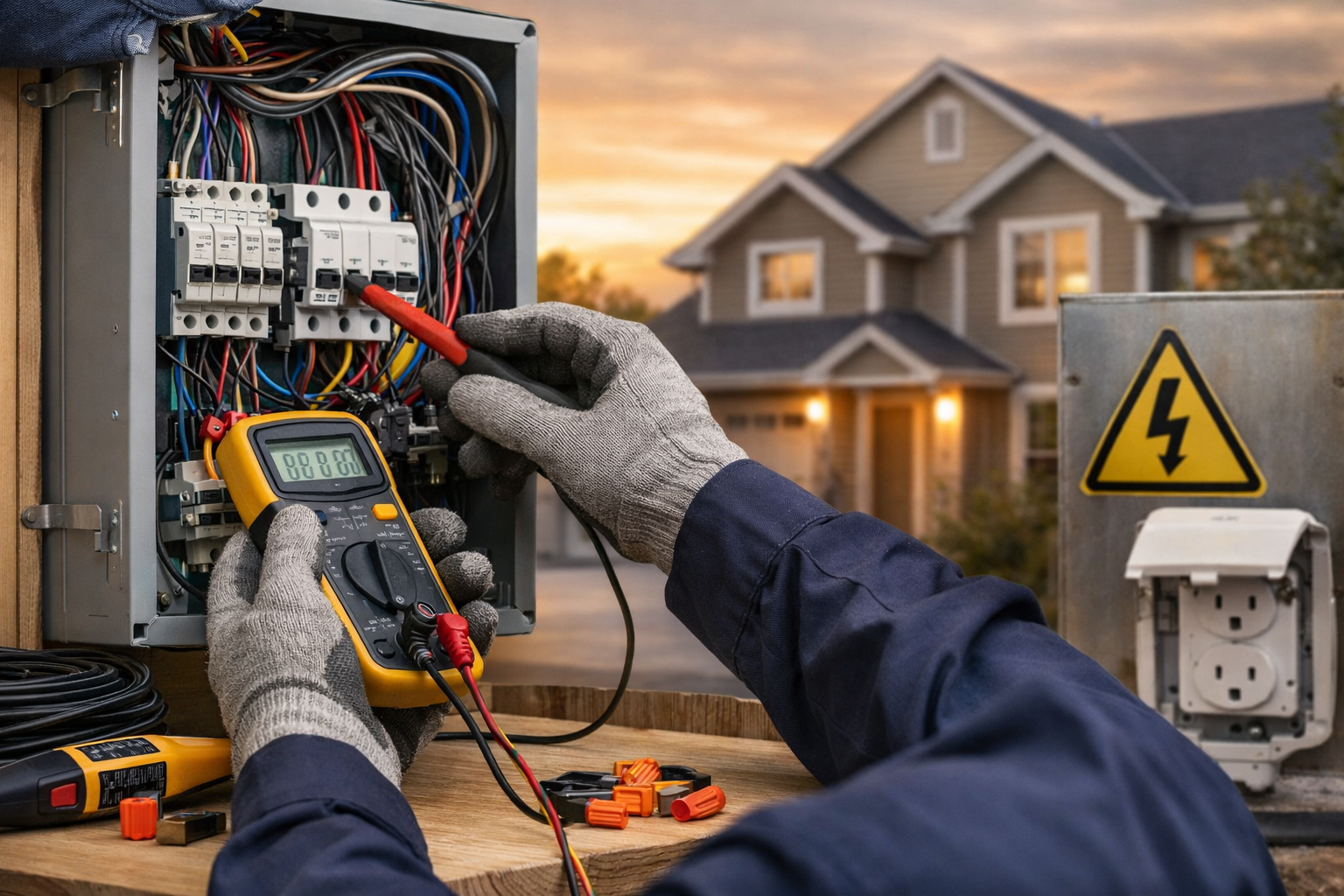
Licensed electricians utilize advanced circuit analyzers and thermal imaging tools to pinpoint these faults without unnecessary damage to drywall or property.
Handling High-Voltage Problems and Arc Flash Risks
Residential homes in Rock Hill utilize split-phase power, meaning while most outlets are 120 volts, major systems operate at 240 volts. Working with these higher voltages significantly increases the risk of arc flashes—explosive electrical discharges.
How licensed electricians mitigate high-voltage risks:
- De-energizing Procedures: Strict protocols to cut power upstream before opening any panels or junction boxes.
- Lockout/Tagout: A safety standard that prevents power from being restored accidentally while work is underway.
- insulated Tools and PPE: usage of voltage-rated gloves and face shields to protect against shock and burns.
untrained individuals attempting to repair 240-volt lines (like those for dryers or EV chargers) face life-threatening risks that professionals are trained to manage.
Appliance Wiring: Ensuring Safe Operation
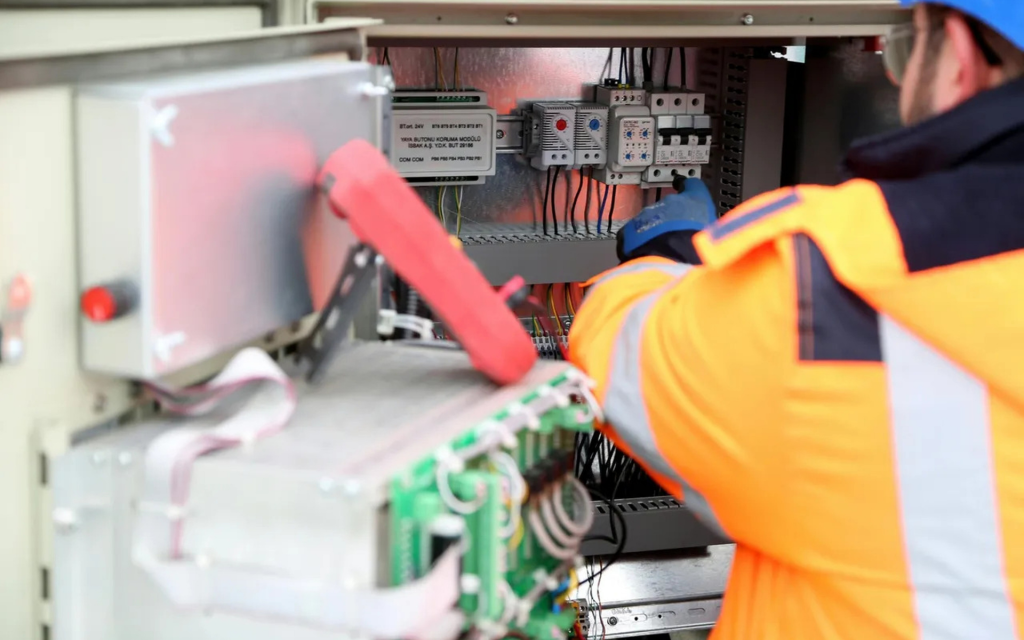
Modern high-efficiency appliances require specific wiring configurations. Licensed electricians ensure that these heavy-duty devices are integrated correctly to prevent fires and equipment damage.
Critical appliance wiring steps include:
- Dedicated Circuits: Installing separate lines for HVAC units, ranges, and refrigerators to prevent system overloads.
- Wire Gauge Selection: Matching the wire thickness (gauge) to the amperage draw. For example, a water heater requires much thicker wire than a standard lamp.
4-Wire Configurations: Upgrading older 3-wire dryer and range connections to modern 4-wire standards, which separate the neutral and ground for enhanced safety.
Safety Protocols and Code Compliance
The distinction between a handyman and a licensed electrician is often found in their adherence to the National Electrical Code (NEC). In Rock Hill, local amendments may also apply, making local knowledge vital.
Standard protocols include:
- Permitting: Licensed electricians handle the acquisition of necessary permits for major repairs.
- Bonding: Connecting all metal non-current-carrying parts to the grounding system to prevent shock.
- AFCI/GFCI Protection: Installing Arc Fault and Ground Fault protection where required by code (e.g., bedrooms, kitchens, bathrooms).
Compliance ensures that if you sell your home, the electrical work will pass inspection and not become a liability.
Energy-efficient wiring upgrades not only save money but also make your Fort Mill home more attractive to buyers. According to the U.S. Department of Energy, energy-efficient homes typically sell faster and for more money than those without upgrades.
The Risks of DIY vs. Hiring Licensed Electricians
While DIY projects are popular, electrical work has a zero-tolerance margin for error. “Latent defects” caused by amateur work may not cause issues immediately but can lead to fires months or years later.
Common DIY failures include:
- Reverse Polarity: wiring outlets backward, leaving the socket energized even when the appliance is off.
- Buried Junction Boxes: hiding wire splices inside walls without access, a major code violation.
- Loose Connections: the leading cause of electrical fires, typically resulting from improper torque on wire nuts or terminals.
Hiring licensed electricians mitigates these risks, providing a warranty on labor and ensuring the safety of your family.
Note: Always ask for an upfront estimate. A reputable electrician will provide a clear explanation of the work required and the associated costs before starting, so there are no surprises.
When to Call a Professional
You should contact a licensed electrician immediately if you observe:
- Flickering lights that are not related to a loose bulb.
- Discolored wall plates or outlets that feel warm to the touch.
- Burning smells like acrid plastic or fish near electrical devices.
- Buzzing or sizzling sounds inside walls or the breaker panel.
These signs indicate active arcing or overheating that requires urgent professional attention.
Licensed Electricians FAQs
Licensing ensures the electrician has completed thousands of hours of training, passed rigorous exams, and carries the necessary insurance to protect your property.
Yes, often a panel upgrade can be done to increase capacity or safety without needing to replace all the wiring in the walls, provided the existing wiring is in good condition.
A master electrician has higher qualifications and can pull permits and design systems, while a journeyman is licensed to perform the work, often under a master’s supervision.
They use specialized toning and probing equipment that sends a signal through the wire, allowing them to trace its path and locate breaks or shorts through the drywall.
Electrical safety is complex, but the solution is simple: trust the experts. For complex repairs, high-voltage issues, and code compliance, Rock Hill homeowners rely on the expertise of licensed professionals.