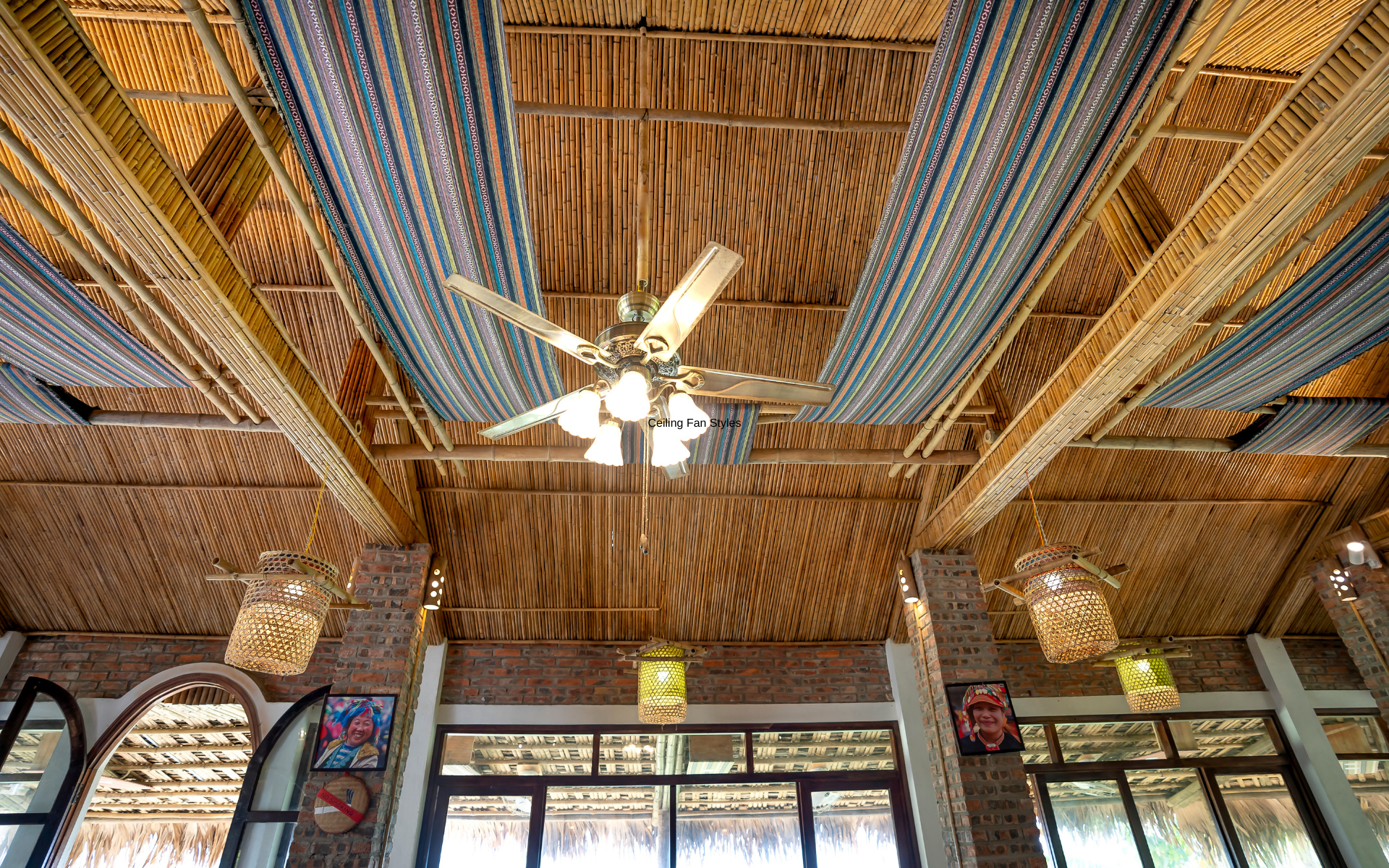
For homeowners in Fort Mill, the interior of a home is a reflection of Southern hospitality and personal style. Whether you are updating a classic ranch in the Tega Cay area or customizing a modern estate in Anne Springs Close, the way you illuminate your space is the most transformative element of interior design. Indoor lighting installation is more than just hanging a fixture; it is about creating an atmosphere that enhances your daily life, improves functionality, and increases the value of your property.
In the fast-paced growth of York County, we see a wide variety of architectural styles, each requiring a tailored approach to illumination. From the high ceilings of open-concept living rooms to the task-heavy environments of modern gourmet kitchens, the right lighting strategy makes all the difference. This guide will walk you through everything you need to know about professional indoor lighting installation, from the initial design phase to the final flip of the switch.
Table of Contents
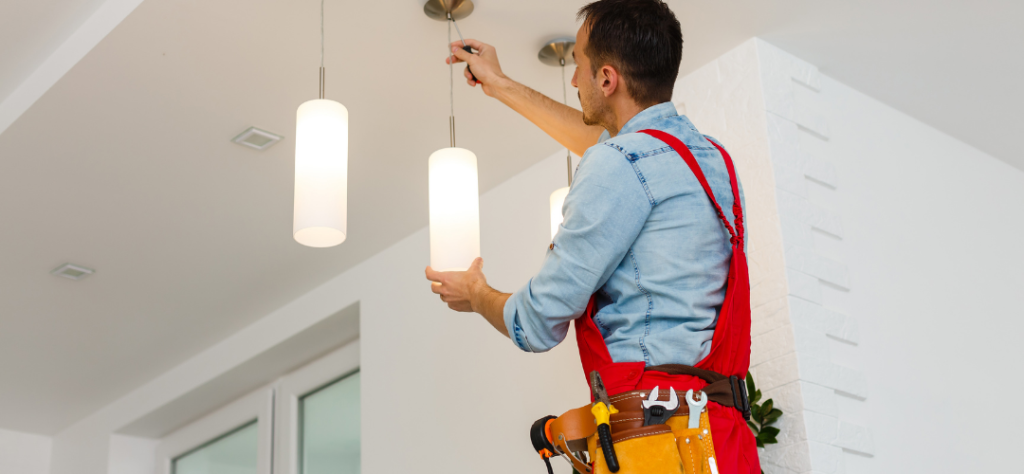
The Power of Layered Lighting Design
The most common mistake in home lighting is relying on a single overhead source to light an entire room. This often results in “flat” lighting, harsh shadows, and a lack of depth. Professional indoor lighting installation focuses on “layering,” which involves combining three distinct types of light to create a balanced environment.
The three essential layers of light:
- Ambient Lighting: This is your general illumination. It provides the base level of light that allows you to move safely through a room.
- Task Lighting: Focused light used for specific activities like reading, cooking, or applying makeup.
- Accent Lighting: Used to highlight architectural features, artwork, or collections, adding drama and character to the home.
Essential Types of Indoor Lighting
Understanding the fixtures available is the first step in your installation journey. Each serves a specific purpose and offers different aesthetic benefits.
Recessed Lighting (Pot Lights)
Recessed lighting is a staple in Fort Mill modernizations. These fixtures are installed into the ceiling, providing a clean, streamlined look. They are perfect for ambient lighting in living rooms and kitchens. Modern LED versions allow for “color tuning,” where you can switch between warm and cool tones.
Pendant and Chandelier Lighting
These are the “jewelry” of the home. Chandeliers serve as a focal point in dining rooms and foyers, while pendants are ideal for kitchen islands. Professional installation is critical here, as these fixtures often require reinforced mounting boxes to support their weight.
Track and Monorail Lighting
Highly versatile, track lighting is excellent for galleries or kitchens where you need to point light in several different directions from a single junction box.
Under-Cabinet Lighting
A must-have for any modern kitchen, under-cabinet lighting provides essential task lighting for food preparation while adding a beautiful glow to your countertops and backsplash.
Note: Installing dimmers on all your indoor lighting layers allows you to completely change the mood of a room instantly. It also extends the life of your bulbs and reduces energy consumption.
Warning: If you smell burning plastic or fishy odors near an outlet, shut off the power immediately and call an electrician. This is a sign of melting insulation.
Room-by-Room Lighting Strategies
Each area of your Fort Mill home has unique needs. A one-size-fits-all approach will leave some rooms feeling cold and others feeling impractical.
The Kitchen: The Functional Hub
In the kitchen, task lighting is king. We recommend a combination of recessed lights for general visibility, pendants over the island for style and focus, and LED tape lights under cabinets to eliminate shadows on the workspace.
The Living Room: Versatility is Key
Living rooms require flexibility. You may be hosting a lively gathering or watching a movie. We suggest layered recessed lighting on dimmers, complemented by wall sconces or floor lamps to add warmth at eye level.
The Master Suite: A Private Retreat
The lighting in the bedroom should be soft and relaxing. Consider installing bedside pendants or sconces with separate switches to clear up space on your nightstands. In walk-in closets, high-CRI (Color Rendering Index) lighting is essential so you can distinguish between navy and black clothing.
The Professional Installation Process
When you hire a licensed professional for indoor lighting installation, the process is methodical and designed to protect your home.
- Consultation and Load Assessment: We begin by discussing your vision and checking your electrical panel. We ensure that adding new lights won’t overload your existing breakers.
- Circuit Routing: If we are adding new lights where none existed, we must safely route new wiring through your walls or ceiling.
- Fixture Mounting: We install the appropriate junction boxes. For heavy fixtures, we use specialized braces that attach to the ceiling joists.
- Wiring and Connection: We make secure, code-compliant connections and install the switches (or smart dimmers).
Testing and Aiming: Once the power is on, we test the dimming range and “aim” adjustable fixtures like cymbals or track heads to ensure perfect coverage.
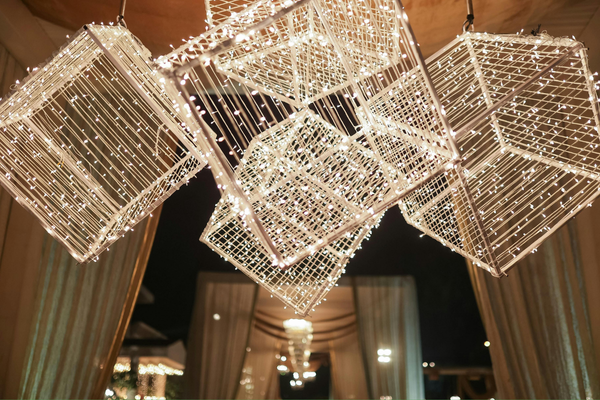
Energy Efficiency and Smart Lighting Controls
Fort Mill residents are increasingly looking for ways to reduce their environmental footprint and utility bills. Modern indoor lighting installation is centered around LED technology.
Why LED is the modern standard:
- Longevity: LED bulbs can last up to 25,000 hours, meaning you won’t be climbing ladders to change bulbs for years.
- Low Heat: Unlike old halogen bulbs, LEDs stay cool, which reduces the load on your air conditioning during the South Carolina summer.
- Integration: Modern LEDs are designed to work seamlessly with smart home systems like Lutron, Nest, or Alexa.
Smart Lighting Integration
Imagine saying “Alexa, dinner time,” and having your kitchen lights dim to 30% while the dining room chandelier glows at 50%. Smart lighting installation allows for “scenes,” scheduling, and remote control from your smartphone, providing both convenience and security.
Safety, Codes, and Electrical Capacity
In South Carolina, indoor lighting installation must adhere to the National Electrical Code (NEC). This isn’t just bureaucracy; it’s about fire prevention.
IC-Rated Fixtures
When installing recessed lights in an attic-adjacent ceiling, we use “IC-rated” (Insulation Contact) fixtures. These are designed to be safely covered by insulation without overheating.
AFCI Protection
Modern codes often require Arc Fault Circuit Interrupter (AFCI) breakers for lighting circuits in bedrooms and living areas. These sophisticated breakers detect dangerous “arcing” (sparks) inside walls and shut off the power before a fire can start.
Energy-efficient wiring upgrades not only save money but also make your Fort Mill home more attractive to buyers. According to the U.S. Department of Energy, energy-efficient homes typically sell faster and for more money than those without upgrades.
Choosing a Licensed Electrician in Fort Mill
Indoor lighting is an investment in your home’s beauty and safety. Choosing the right partner is vital.
What to look for in a lighting contractor:
- Specialization: Do they understand lighting design, or do they just “hang lights”?
- Local Reputation: Check for reviews from your neighbors in York County.
- Cleanliness: Professional electricians use drop cloths and vacuum up drywall dust, leaving your home as clean as they found it.
- Warranty: A reputable pro stands behind their wiring and installation for years to come.
Note: Always ask for an upfront estimate. A reputable electrician will provide a clear explanation of the work required and the associated costs before starting, so there are no surprises.
Illuminate Your Vision Today
Your home deserves to be seen in its best light. From the functional clarity of a well-lit kitchen to the inviting glow of a warm living room, professional indoor lighting installation is the key to unlocking your home’s full potential. Don’t settle for “good enough” lighting when you can have a space that is perfectly tailored to your lifestyle.
Ready to transform your home’s atmosphere? Contact Johnathon Brown Electric today for expert indoor lighting installation in Fort Mill, SC, and surrounding areas. Our team will work with you to design and install a lighting system that is beautiful, efficient, and safe.
Indoor Lighting Installation FAQs
For a standard room with attic access, we can typically install 4 to 6 recessed lights in half a day. If there is a second floor above, it may take slightly longer to route the wiring.
While it seems simple, improper wiring of a dimmer can lead to flickering, buzzing, or even a fire. Additionally, if the box is crowded with other wires, it requires a professional to ensure everything is tucked away safely without pinching.
Color temperature is measured in Kelvins (K). 2700K is warm and cozy (perfect for bedrooms), while 4000K-5000K is bright and energetic (ideal for garages or workrooms). We help you choose the right “temp” for each room.
Over a dining table, the bottom of the fixture should typically be 30 to 36 inches above the tabletop. In a foyer, it should be high enough to provide at least 7 feet of clearance from the floor.