Families in Fort Mill, SC use more electronic devices than ever before. You probably have phones charging, televisions running, and smart home systems operating all at once. Older houses often lack the electrical capacity to support these heavy daily demands. Plugging multiple cords into a single power strip creates a severe fire hazard right behind your drywall. Proper wiring and outlet installation solves this dangerous problem and protects your property from sudden electrical failures. Partnering with the trusted experts at Johnathon Brown Electric guarantees your house operates safely day and night.
Table of Contents
What Are the National Electrical Rules for Homes?
How many electrical receptacles do you actually need? National building standards dictate exact spacing rules to prevent accidents. These codes stop homeowners from stretching dangerous cords across walkways.
General Placement Rules for Residential Rooms:
- Place a receptacle every 12 feet along any continuous wall space.
- Any wall section wider than 24 inches requires its own dedicated power source.
- Hallways longer than 10 feet need at least one electrical connection.
Meeting these minimum baseline standards is just the beginning. Upgrading your system with a proper wiring and outlet installation prevents tripped breakers and annoying power interruptions.
Room-by-Room Guide for Electrical Connections
Different rooms require completely different approaches to power distribution. Matching the hardware to the room’s function keeps your family safe.
- Kitchens: Major appliances draw massive amounts of electricity. Dedicated circuits stop overloaded breakers from shutting down your refrigerator. Countertop spaces need GFCI (Ground Fault Circuit Interrupter) protection. You need a receptacle every four feet along your kitchen counters.
- Living Rooms: Entertainment centers require multiple power connections. Using expert residential electrician services adds power sources directly behind your televisions and gaming systems. This removes the need for ugly extension cords running across your living room carpet.
- Bedrooms: Phone chargers, lamps, and televisions compete for limited wall space. Placing receptacles on multiple walls makes arranging your furniture much easier.
- Bathrooms: Water and electricity are a deadly combination. Bathrooms must feature GFCI protection within three feet of the sink basin. A professional wiring and outlet installation keeps these wet environments totally secure.
Why Relying on Extension Cords is Dangerous
Many homeowners rely on cheap power strips and long extension cords. These temporary fixes pose severe safety risks. Wires become incredibly hot when forced to carry too much current. Continuous heat melts the plastic protective casing. This melting wire starts hidden fires inside your walls while you sleep. Scheduling a safe wiring and outlet installation eliminates the dangerous reliance on temporary power strips.
Recognizing the Signs You Need Electrical Upgrades
Watch closely for these glaring warning signs indicating a failing electrical system:
- Lights dimming or flickering when large appliances turn on.
- Sparks appear when you plug a cord into the wall.
- Plastic faceplates feeling warm to the touch.
- Two-prong receptacles located throughout the older parts of the house.
- Breakers tripping repeatedly during normal daily activities.
If you notice any of these alarming issues in your Fort Mill home, you need immediate professional attention. You can schedule a dedicated wiring and outlet installation to update your outdated systems before a disaster strikes.
Identifying Outdated Cable Types
Many homes in our area still operate with their original electrical components. Recognizing dangerous older materials helps you prevent complete system failures.
- Knob and Tube: Houses built before 1950 often contain this ungrounded system. The rubber insulation degrades rapidly. It offers zero protection against modern electrical faults.
- Aluminum Wires: Builders favored this cheaper material during the 1960s and 1970s. Aluminum expands and contracts dramatically with temperature changes. This daily movement creates loose connections and extreme fire risks.
- Ungrounded Two-Prong Configurations: These lack the vital third grounding hole. The third prong redirects errant electricity safely into the earth. Without it, the current travels through the nearest object.
What to Expect During the Upgrade Process
Replacing old electrical components involves a highly systematic approach. Homeowners often worry about the mess or disruption, but professional teams work cleanly and efficiently.
- Initial Assessment: An electrician evaluates your main service panel. They check if the current capacity supports adding new circuits.
- Mapping the Layout: The technician determines the safest locations for new power sources based on your daily habits.
- Running the Cables: New copper lines are routed carefully behind the drywall. Expert technicians minimize damage to your walls during this phase.
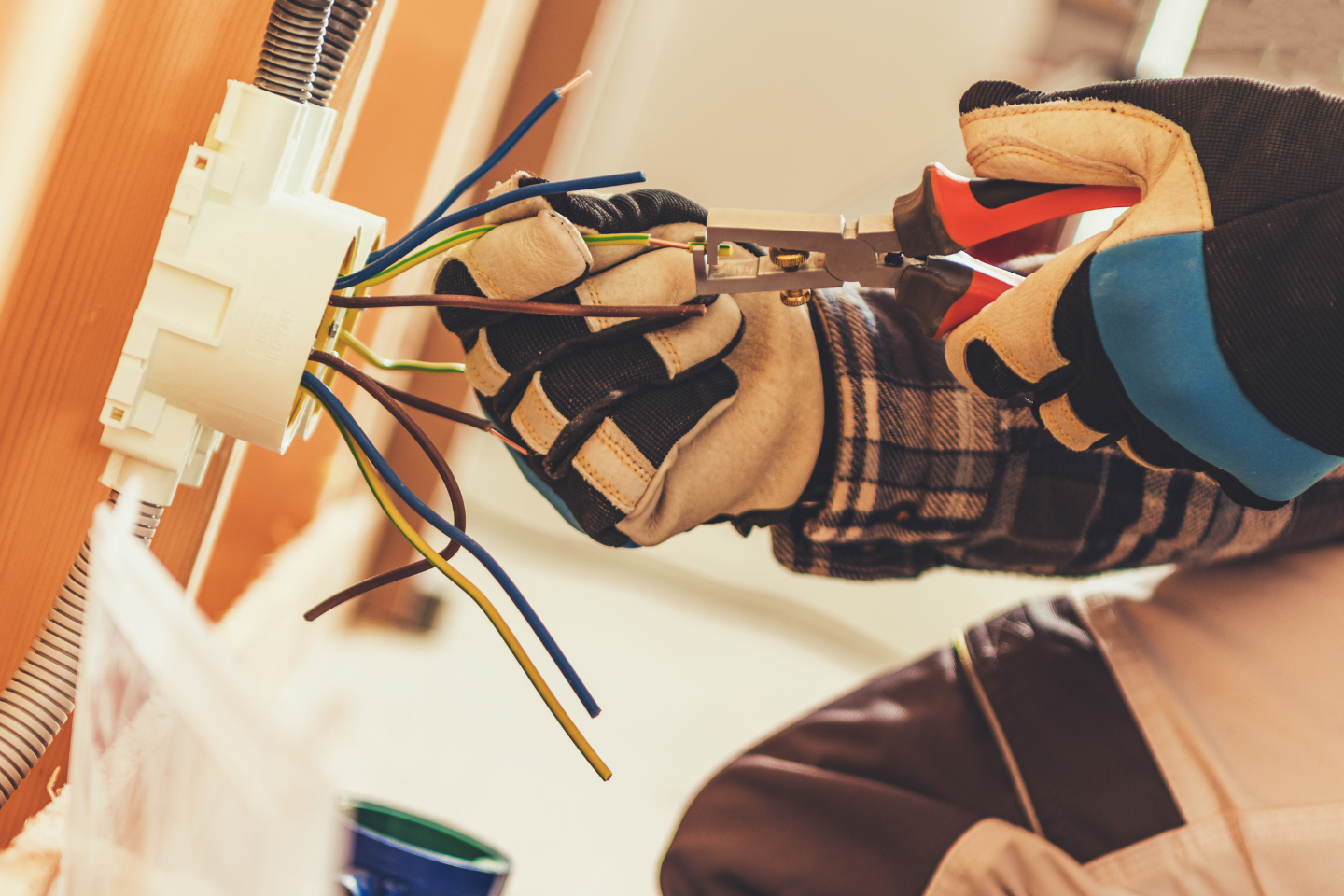
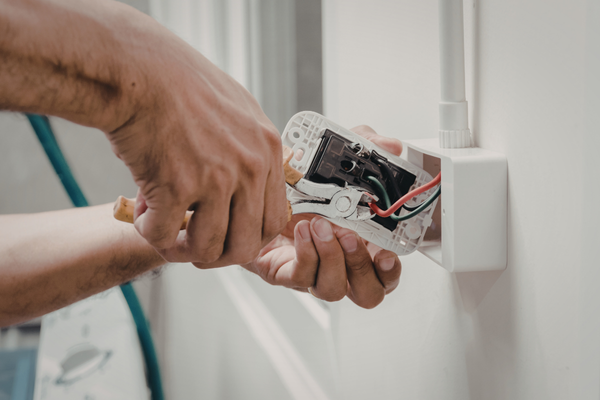
- Connecting the Hardware: The physical receptacles are mounted securely into the wall boxes.
- Final Testing: Every single connection undergoes strict testing to verify proper voltage and grounding.
Completing a thorough wiring and outlet installation requires careful attention to detail at every single step.
Understanding Your Main Breaker Box
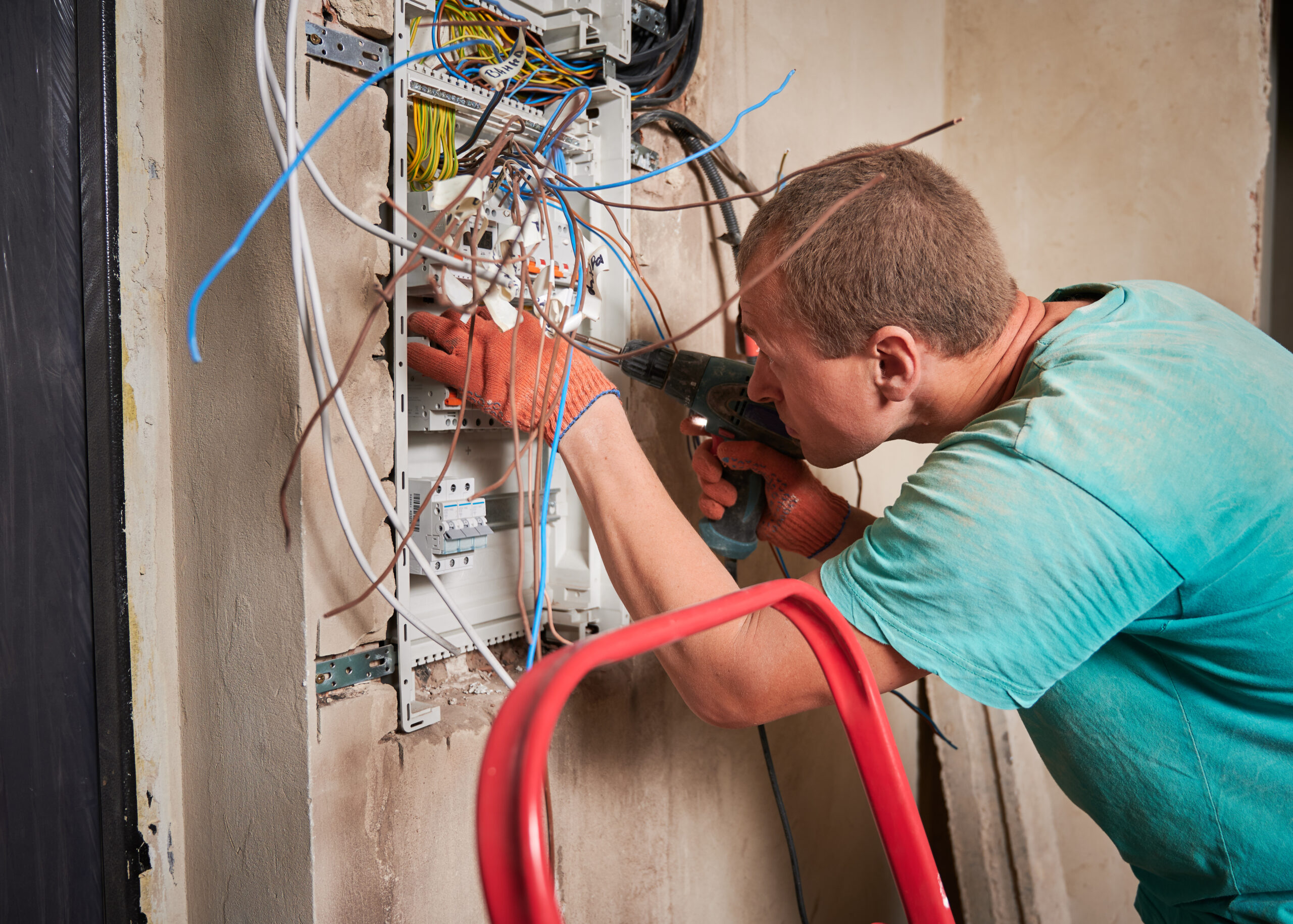
Your electrical panel acts as the heart of your home. It receives electricity from the utility company and distributes it throughout the house. Older panels often max out at 100 amps. Modern households usually require 200 amps to operate safely. Adding new power sources without checking the main panel causes an immediate overload. Upgrading the panel often happens alongside a new electrical upgrade.
- Check the Age: Panels older than twenty years struggle with modern demands.
- Look for Rust: Moisture inside the box destroys the sensitive metal connections.
- Listen for Buzzing: Unusual noises indicate loose connections or failing breakers.
- Smell for Burning: Any foul odor near the panel requires emergency professional help.
The Hidden Dangers of DIY Electrical Work
Many people attempt household repairs themselves to save time. Working with live wires is incredibly dangerous. Watching an online video does not provide the necessary knowledge to handle unpredictable electrical issues safely.
- Risk of Shock: Touching the wrong wire delivers a fatal electrical shock.
- Code Violations: Unpermitted work creates massive legal problems when you try to sell your house.
- Fire Hazards: Loose DIY connections create dangerous electrical arcing. Arcing generates intense heat and starts fast-moving fires behind the drywall.
- Insurance Issues: Homeowners insurance companies often deny claims if unlicensed individuals performed the electrical work.
Always trust a licensed professional for any electrical project. Only an expert should handle a complete wiring and outlet installation.
Ready to Upgrade Your Home?
Protect your family from hidden electrical dangers today. Ignoring outdated circuits puts your entire property at serious risk. Our experienced team is ready to evaluate your current setup and provide lasting safety upgrades. A proper wiring and outlet installation adds incredible value and security to your living space. Contact Johnathon Brown Electric today to schedule your professional inspection and upgrade your Fort Mill home safely.