We have all experienced that moment of hesitation. You pull into your driveway in Fort Mill after a long day, or you step out to take the trash to the curb, and the walk to the door is completely dark. A dark walkway is an invitation for stubbed toes, tripped guests, or worse. The simple fix for this common problem is professional landscape outdoor lighting, specifically designed for your pathways.
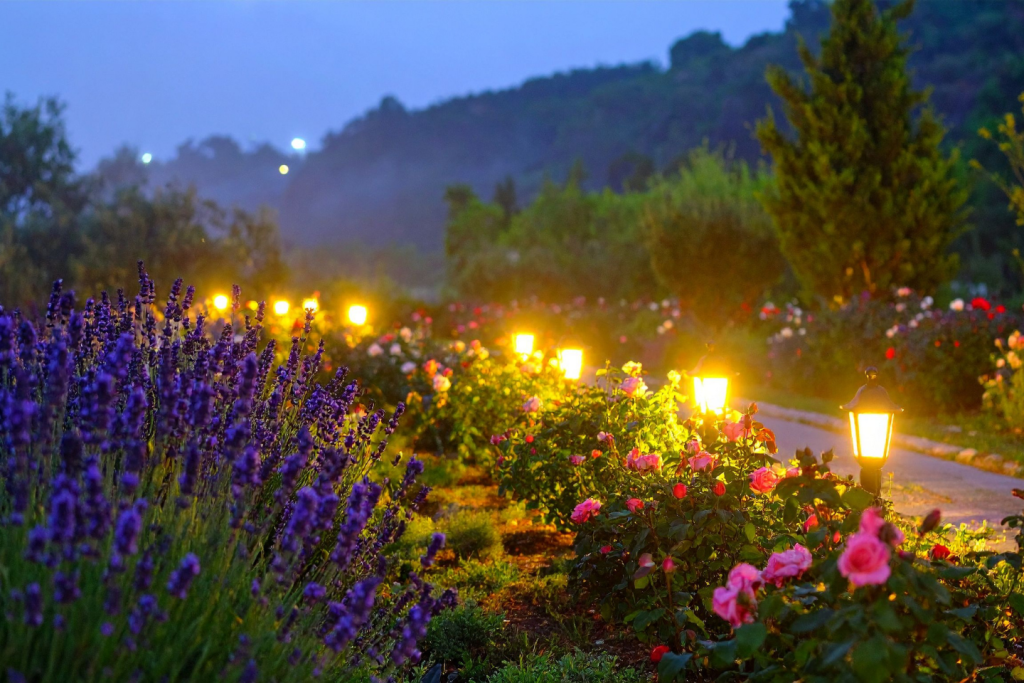
Adding lights to your walkways does more than just guide your steps. The right lighting choices completely change how your property looks after the sun goes down. Thoughtfully placed lights highlight your garden features and add a welcoming glow to your home’s exterior. Johnathon Brown Electric understands that a well-lit path is essential for both your family’s safety and the overall beauty of your property.
Table of Contents
Why Pathway Lighting Matters for Your Fort Mill Home
Walking around your yard at night should not feel like an obstacle course. Properly installed pathway lights provide several clear benefits for homeowners in South Carolina.
Key Benefits of Illuminating Your Walkways:
- Improvised Safety: The most crucial reason to install lights along your paths is to prevent accidents. Clear visibility stops you, your family, and your guests from tripping over uneven pavement, stray branches, or garden hoses left out.
- Increased Security: A well-lit exterior acts as a natural deterrent. Intruders prefer shadows. Brightening the approaches to your house makes your property less appealing to trespassers.
- Enhanced Nighttime Appeal: Good lighting highlights the edges of your walkways, flowerbeds, and architectural details. It creates a warm, inviting atmosphere that makes your house stand out in the neighborhood.
- Extended Usability: When you have adequate lighting, you can use your outdoor spaces long after dark. It makes navigating to patios or fire pits much easier.
Top Pathway Lighting Ideas
Choosing the right fixtures depends on the look you want and the specific layout of your yard. Here are some popular ideas to consider for your landscape outdoor lighting plan.
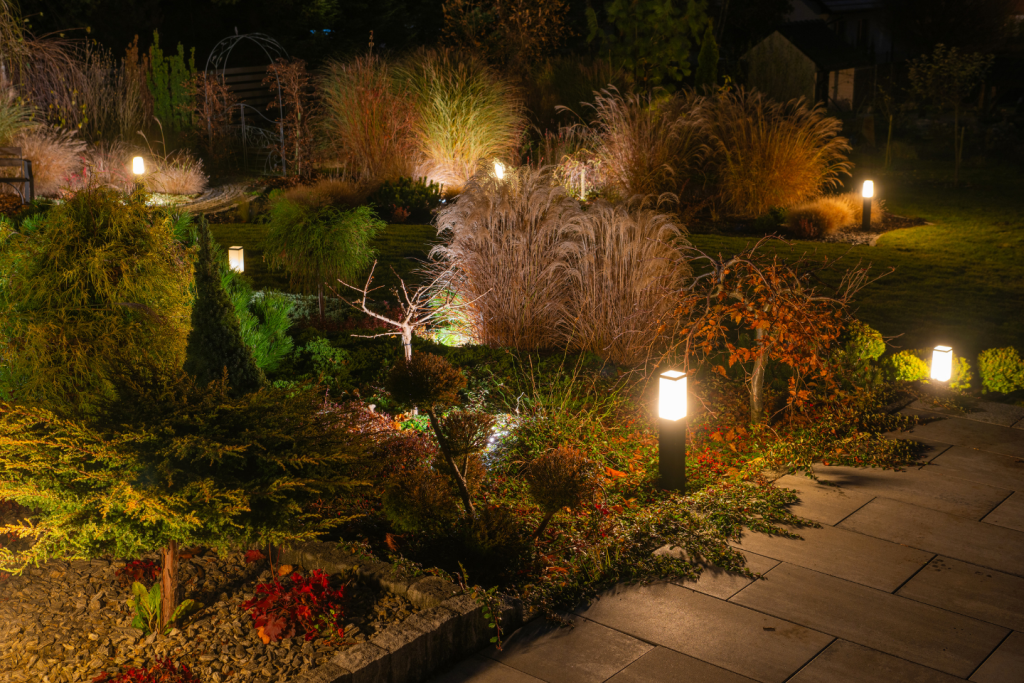
- Classic Path Lights: These are the traditional fixtures that stick directly into the ground alongside the walkway. They usually have a decorative top that directs the light downward onto the path, preventing glare in your eyes. They are excellent for defining the edge of a curved garden path.
- Flush Ground Well Lights: If you prefer a cleaner look, well lights are installed flush with the ground. They shoot light straight up. While often used for uplighting trees, placing them along a path creates a sleek, modern guiding line without visible fixtures getting in the way of lawnmowers.
- Step Lights: If your walkway includes stairs leading to your porch, step lights are a necessity. These small fixtures are built directly into the risers or side walls of the steps, casting light exactly where you put your feet.
- Downlighting (Moonlighting): This technique involves placing fixtures high up in trees or on the eaves of your house, aiming the light downward over the path. This creates a soft, dappled effect, similar to natural moonlight, casting interesting shadows from branches and leaves.
When planning these ideas, it helps to consult professionals who provide comprehensive residential electrician services. They know exactly how to space the fixtures for maximum effect.
Installation Guide: Steps to Success
Installing landscape outdoor lighting requires careful planning to get the results you want. While some homeowners try DIY kits, a professional installation provides longer-lasting and safer results.
1. Planning the Layout
Before digging any holes, you need a plan. Walk your paths at night with a flashlight to identify the darkest areas and potential hazards.
- Stagger the Lights: Do not line up lights perfectly straight like a runway. Staggering them on alternating sides of the path creates a more natural, inviting look.
- Determine Spacing: The distance between lights depends on the brightness of the bulb and the height of the fixture. The goal is a steady pool of light without harsh dark spots in between.
- Focus on Hazards: Place lights near steps, curves, elevation changes, and intersections.
2. Choosing the Right System
For reliable and long-lasting illumination, low-voltage (12-volt) systems are the standard for residential walkways.
- LED Bulbs are Standard: Always choose LED fixtures. They use significantly less energy and last much longer than older halogen bulbs, saving you money on your electric bill.
- Select Quality Materials: Look for fixtures made of solid brass or copper. Plastic or cheap aluminum fixtures will crack and fade quickly in the South Carolina weather.
3. The Installation Process
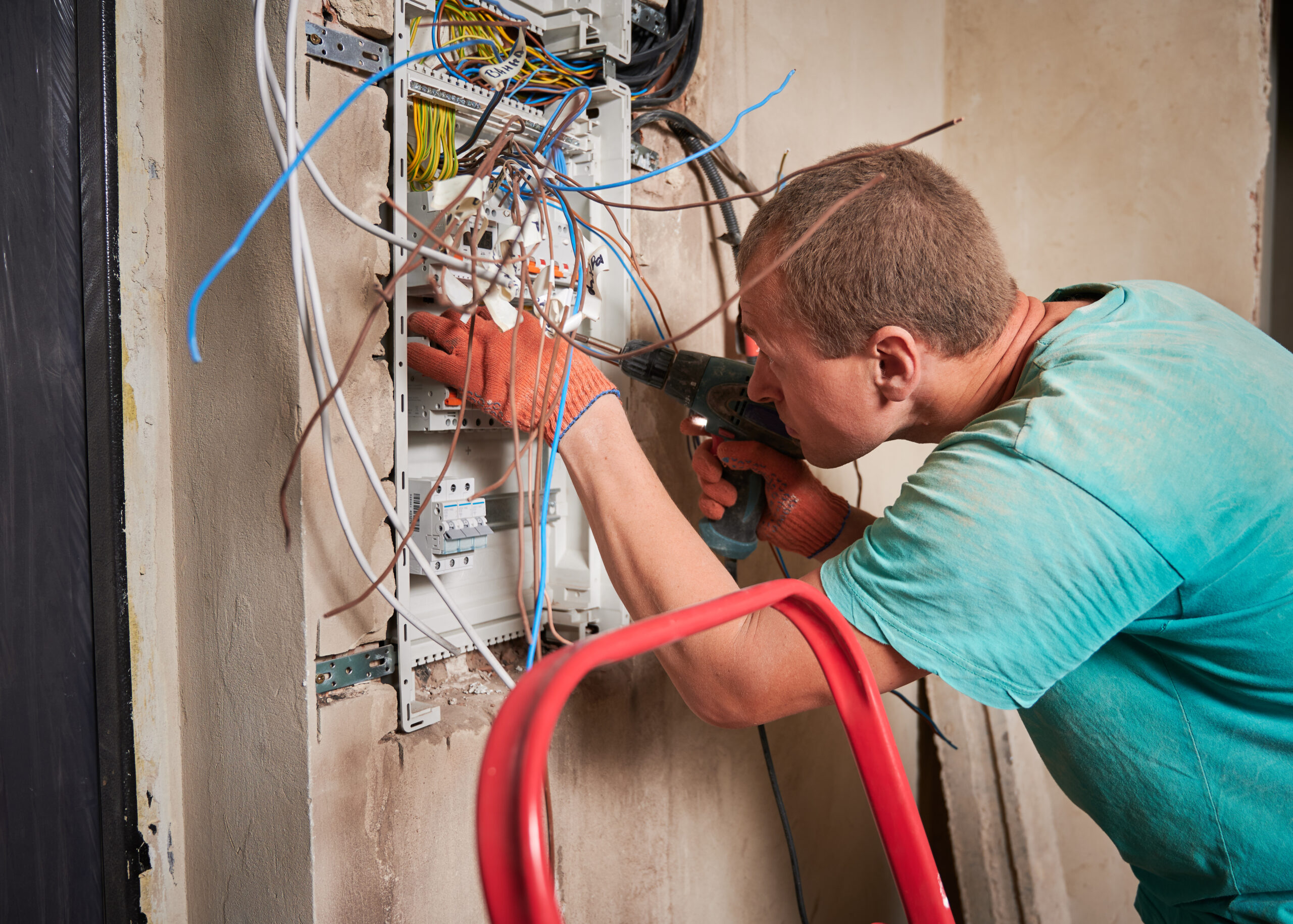
This is where technical knowledge becomes important. Working with electricity outdoors requires specific safety measures.
- Positioning the Transformer: The transformer plugs into an outdoor outlet and reduces your home’s 120-volt current to 12 volts. It needs to be mounted in a dry, accessible location.
- Trenching the Wire: The low-voltage wire needs to be buried to keep it safe from lawn equipment and pets. Usually, a shallow trench of about six inches is sufficient.
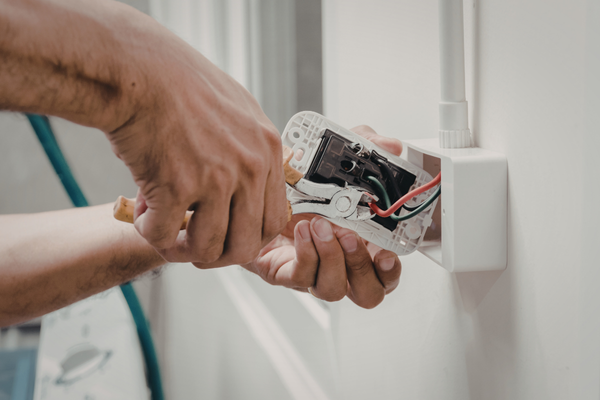
- Making the Connections: Connecting the fixtures to the main wire must be done correctly using waterproof connectors to prevent moisture from causing shorts or corrosion.
Because this process involves wiring and electrical load calculations, bringing in experts for landscape and security outdoor lighting guarantees the system is safe and meets local codes.
Maintenance Tips for Bright Paths
Once your new landscape outdoor lighting is installed, a little routine care keeps it functioning perfectly.
- Clean the Lenses: Dirt, mud, and hard water spots build up on the glass lenses, dimming the light output. Wipe them down gently every few months.
- Check for Plant Overgrowth: Shrubs and groundcover can quickly block your path lights. Trim back vegetation so the light shines clearly on the walkway.
- Inspect the Fixtures: Occasionally walk the path to make sure no fixtures have been knocked crooked by the lawnmower or heavy rain. Straighten any leaning lights.
- Verify the Timer: If your system uses a timer or photocell, check it periodically to confirm the lights are turning on and off at the correct times, especially after daylight saving time changes.
A well-designed and maintained landscape outdoor lighting system completely changes how you experience your home at night. It turns a dark, hazardous walkway into a safe, beautiful feature of your property. It provides peace of mind knowing your family and guests can easily see where they are going.
Ready to stop walking in the dark? We can help design and install a lighting system that perfectly fits your pathways and your style. Contact us today to schedule a consultation and bring expert illumination to your Fort Mill home.