For homeowners in Fort Mill, the home’s electrical system is a silent but vital servant. From the historic residences in the Springfield neighborhood to the modern builds in Massey and Elizabeth, every home relies on a complex web of wiring and components to power our daily lives. However, like any mechanical system, electrical components eventually wear out, loosen, or become outdated, leading to common electrical repairs that can range from minor annoyances to significant safety hazards.
Understanding these issues isn’t just about home maintenance; it’s about protecting your family and your investment. In the humid climate of the Carolinas, electrical systems can face unique stressors, from lightning strikes during summer storms to the increased demand of HVAC systems in July. This guide explores the most frequent electrical challenges faced by Fort Mill residents and provides a roadmap for addressing them safely and effectively.
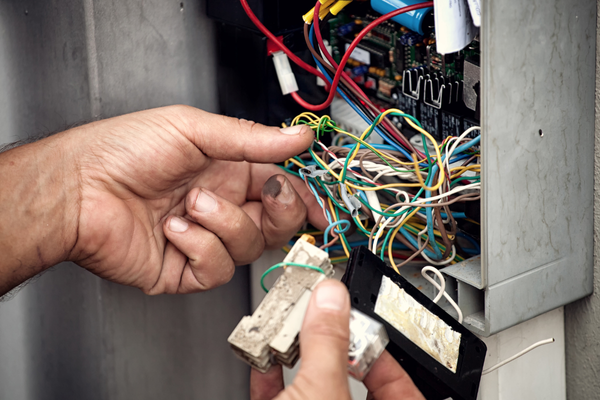
Why Timely Electrical Repairs Matter
In the fast-growing community of Fort Mill, SC, home values are at an all-time high. Keeping your electrical system in top shape ensures that your home remains both functional and marketable. Beyond value, the primary driver for addressing common electrical repairs is safety. Minor issues like a loose outlet are often “early warning signs” of more systemic problems that can lead to electrical fires or shocks.
Signs your home needs immediate attention:
- Unexplained Noises: Buzzing or humming coming from switches or panels.
- Temperature Changes: Outlets that feel warm to the touch or show discoloration.
Physical Damage: Cracked plates, frayed wires, or loose fixtures.
1. Faulty Outlets and Dead Receptacles
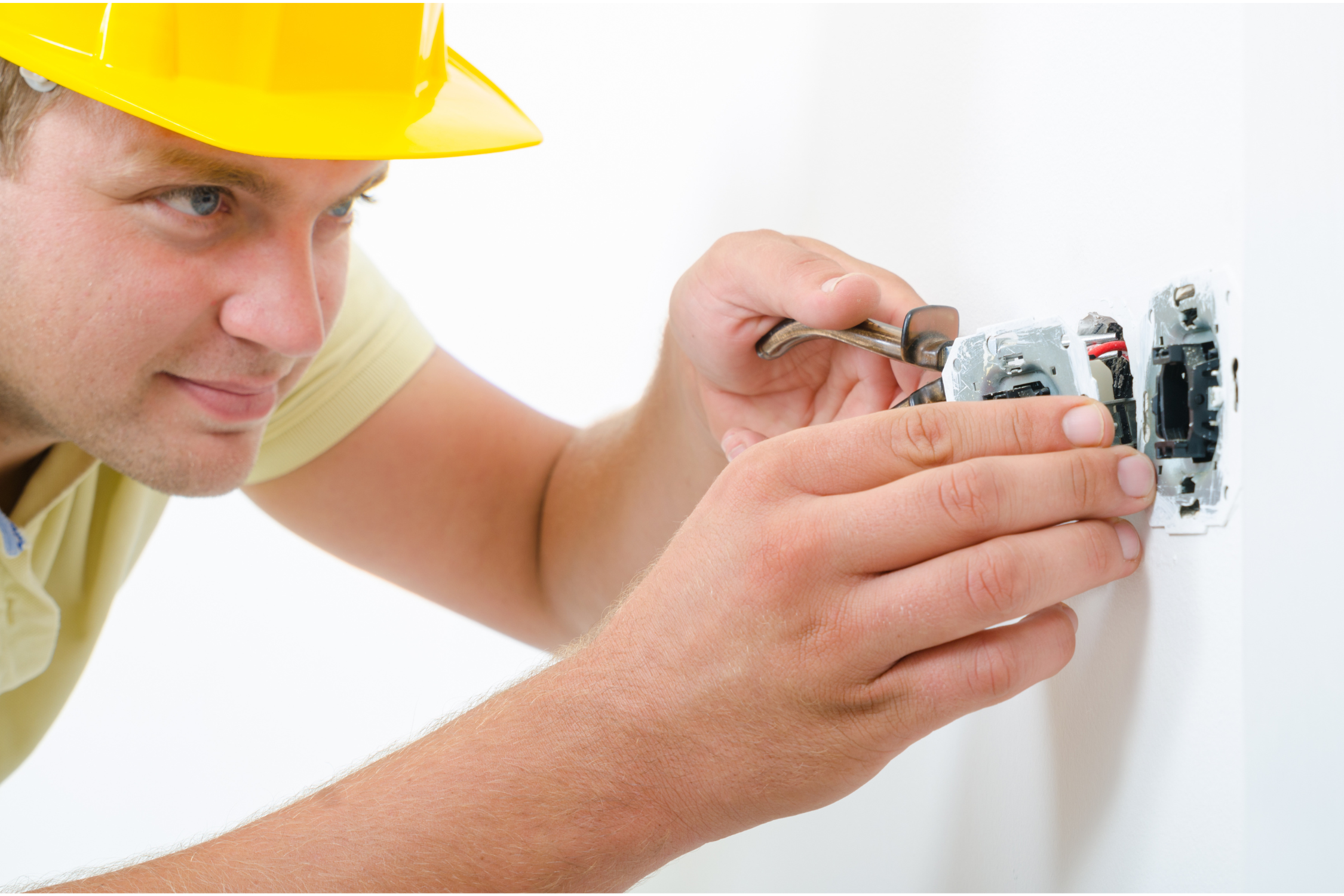
One of the most common electrical repairs we see in Fort Mill involves outlets that simply stop working or feel loose when you plug in an appliance.
Why Outlets Fail
Over time, the internal contact points in a receptacle can wear down. This is particularly common in high-traffic areas like kitchens and living rooms. If you find yourself having to “wiggle” a plug to get it to work, the outlet is failing and creating a fire hazard due to poor connectivity.
The Danger of Loose Outlets
A loose connection creates resistance, and resistance creates heat. If an outlet is sparking or showing “char marks” on the faceplate, it is a sign of arcing a dangerous condition where electricity jumps across a gap, potentially igniting the surrounding insulation or wall studs.
Warning: If you smell burning plastic or fishy odors near an outlet, shut off the power immediately and call an electrician. This is a sign of melting insulation.
2. Flickering and Dimming Lights
Do your lights dim when the air conditioner kicks on? Or perhaps they flicker sporadically in the bathroom? In many Fort Mill homes, this is caused by a voltage drop or a loose neutral wire.
Identifying the Cause
- Local Issues: If only one fixture flickers, the problem is likely in the bulb, the socket, or the specific switch controlling it.
- Systemic Issues: If lights throughout the whole house dim when a large appliance starts, your electrical panel may not be able to handle the surge, or the connection from the utility company (Duke Energy or York Electric) may be compromised.
LED Compatibility
With many homeowners switching to energy-efficient LED bulbs, we often see flickering caused by incompatible dimmer switches. Older dimmers designed for incandescent bulbs do not communicate correctly with LED drivers, leading to a “strobe” effect.
3. Frequent Circuit Breaker Tripping
Your circuit breaker is designed to be your home’s first line of defense. When it trips, it is doing its job preventing an electrical overload that could cause a fire. However, frequent tripping is a sign that something is wrong.
Overloaded Circuits
This is common in older Fort Mill homes where the original wiring wasn’t intended for the high-power demand of modern air fryers, gaming PCs, and high-efficiency washers. If you can’t run the vacuum and the microwave at the same time, you likely need a dedicated circuit.
Short Circuits and Ground Faults
A breaker that trips immediately after being reset often indicates a “short circuit” (where a hot wire touches a neutral wire) or a “ground fault” (where electricity is leaking to the ground). These require professional diagnosis to locate the specific break in the line.

4. Outdated or Damaged Wiring
While Fort Mill has many new developments, many homes built in the 70s, 80s, and 90s may still have wiring that is reaching its end-of-life or was installed using outdated methods.
Aluminum Wiring
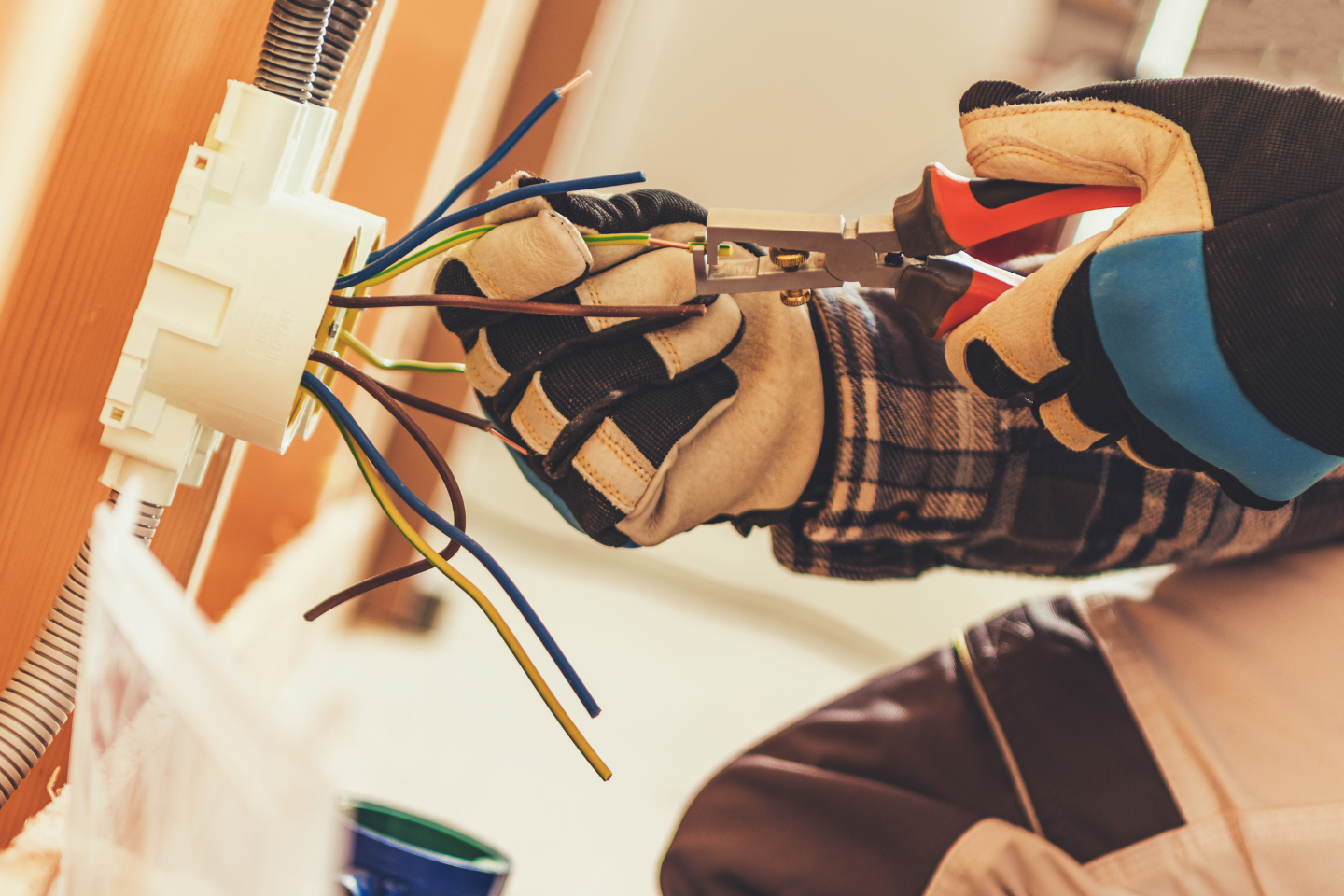
Some older homes in the York County area may have aluminum wiring. While not illegal, aluminum expands and contracts more than copper, which can lead to loose connections and fire risks. Specialized common electrical repairs, such as “alumiconn” connectors, are necessary to make these systems safe.
Rodent Damage
In more rural or wooded parts of Fort Mill, squirrels and mice can find their way into attics and crawlspaces. These pests often chew through wire insulation, leaving bare copper exposed and creating a high risk for electrical shorts and fires.
5. Malfunctioning GFCIs and Safety Switches
Ground Fault Circuit Interrupters (GFCIs) are the outlets with “Test” and “Reset” buttons. They are required by code in any area where water is present, such as kitchens, bathrooms, garages, and outdoor areas.
Testing Your GFCIs
A common repair involves replacing GFCI outlets that have “worn out.” These devices have sensitive internal circuitry that can fail over time. If you press the “Test” button and the “Reset” button doesn’t pop out, the outlet is no longer providing protection and must be replaced immediately.
Weather Damage
Outdoor GFCIs in South Carolina face extreme humidity and heavy rain. If the protective “in-use” covers are cracked or missing, moisture can seep into the device, causing it to trip constantly or fail entirely.
Energy-efficient wiring upgrades not only save money but also make your Fort Mill home more attractive to buyers. According to the U.S. Department of Energy, energy-efficient homes typically sell faster and for more money than those without upgrades.
The Hidden Risks of Delayed Repairs
It is tempting to ignore a flickering light or a dead outlet, but in the world of electricity, problems never “fix themselves.” They only get worse.
The consequences of delaying common electrical repairs include:
- Fire Risk: Small arcs can eventually ignite combustible materials inside your walls.
- Appliance Damage: Inconsistent power levels (surges or sags) can fry the sensitive motherboards in your expensive smart appliances and computers.
- Home Inspection Failures: If you decide to sell your home in Fort Mill, an inspector will flag these issues, which can delay your closing or lead to costly last-minute repairs.
Note: Always ask for an upfront estimate. A reputable electrician will provide a clear explanation of the work required and the associated costs before starting, so there are no surprises.
When to Call a Licensed Electrician
While changing a lightbulb is a DIY task, most common electrical repairs should be handled by a professional. A licensed electrician brings specialized tools, like circuit tracers and voltage meters, to find the root cause of an issue rather than just treating the symptom.
Questions to ask your Fort Mill electrician:
- Are you licensed and insured in South Carolina?
- Do you provide upfront estimates before starting work?
- Is the repair compliant with the current National Electrical Code (NEC)?
- Do you offer a warranty on parts and labor?
Keep Your Fort Mill Home Safe and Powered
Your home is your sanctuary, and its electrical system should be a source of comfort, not anxiety. By identifying these common electrical repairs early, you can avoid the stress and expense of emergency failures. Whether you are dealing with a single dead outlet or a breaker panel that won’t stop tripping, our team is dedicated to providing the high-quality, neighborly service that Fort Mill families deserve.
Ready to fix those nagging electrical issues? Contact Johnathon Brown Electric today for professional assistance with all your common electrical repairs in Fort Mill, SC, and surrounding areas. We’ll perform a thorough safety check and ensure your home is up to code.
Common Electrical Repairs FAQs
A tiny, blue spark is often normal “arcing” as the plug makes contact. However, a large, yellow/orange spark or a spark that lasts more than a millisecond is a sign of a faulty outlet or loose wiring.
No. Simply putting a three-prong outlet on an ungrounded wire is a “bootleg ground” and is dangerous. You must either rewire the circuit or install a GFCI outlet labeled “No Equipment Ground” to stay compliant with code.
Most panels have a lifespan of 25 to 40 years. If your home in Fort Mill still has a Federal Pacific or Zinsco brand panel, these are known fire hazards and should be replaced immediately regardless of their age.
A warm switch is a sign that the internal contacts are failing or that the switch is being overloaded. This is a common electrical repair that should be addressed immediately to prevent a fire.