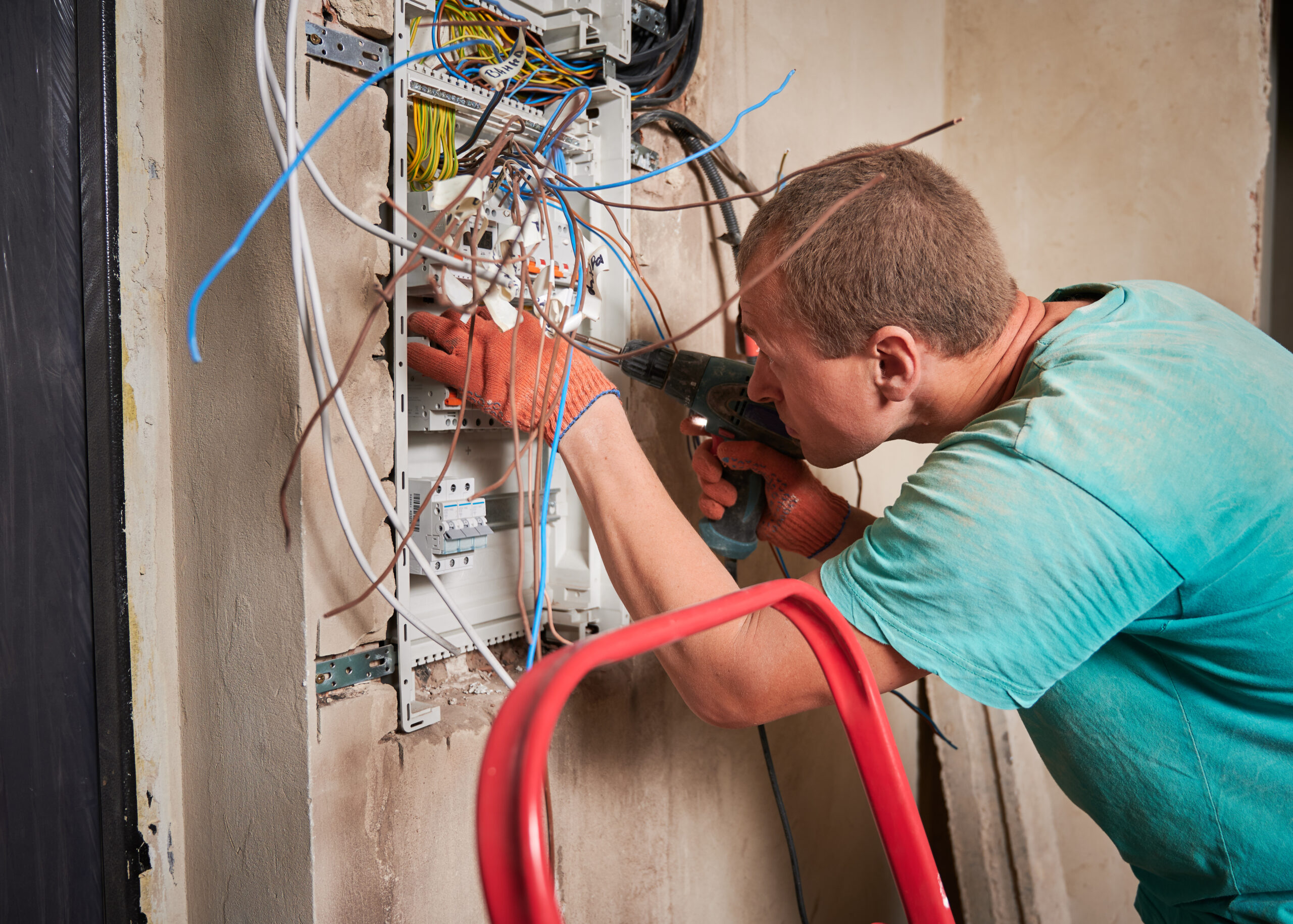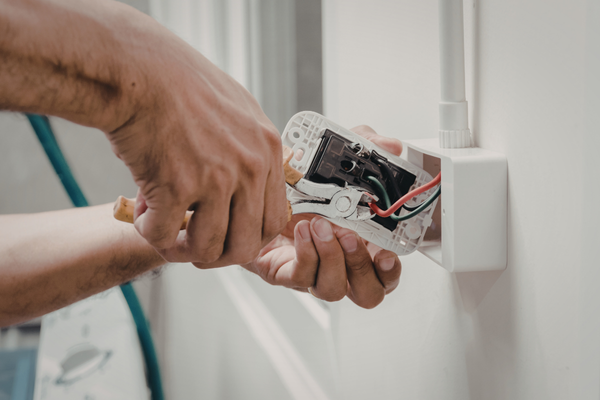
Older homes across Rock Hill often carry wiring that no longer matches how families use power today. Understanding the cost to rewire a house helps homeowners plan ahead before problems turn into safety concerns. Johnathon Brown Electric walks Rock Hill and Fort Mill homeowners through every part of this project, from the first inspection to the final walkthrough.
Table of Contents

What Shapes the Cost to Rewire a House
The cost to rewire a house depends on several factors tied to your home’s age, size, and current wiring type. Here are the main pieces that shape your total:
- Square footage: Larger homes need more wire, more labor hours, and more time to complete.
- Number of circuits: Homes with many rooms, appliances, and outlets require additional circuits during a rewire.
- Wiring type: Homes with knob and tube or aluminum branch circuit wiring often need more extensive work than newer copper systems.
- Drywall repair: Opening walls to run new wire means some drywall repair is usually part of the project.
- Permit and inspection: Local permits confirm your rewiring project meets current electrical code.
Whole House Rewiring Cost: What the Project Includes
A whole house rewiring cost reflects more than pulling new wire through your walls. Here is what a full rewire typically includes:
- Home inspection to assess current wiring condition and age
- Circuit planning based on your home’s square footage and appliance needs
- Removal of outdated wiring, including knob and tube where present
- Installation of new wiring, outlets, switches, and panel connections
- Drywall repair in areas opened during the rewiring process
- Permit filing and scheduling of the required inspection
- Final testing to confirm every circuit works safely
House rewiring cost per square foot varies based on how much of this list your project actually needs. Homes with simpler layouts and newer wiring underneath may need less work than older properties with several wiring types mixed together.
Knob and Tube Removal Cost: Why This Matters
Homes built several decades ago sometimes still carry knob and tube wiring behind their walls. Here is why knob and tube removal cost matters for Rock Hill homeowners:
- Insurance concerns: Many insurance companies flag knob and tube wiring, which can affect coverage or premiums.
- Safety risk: This wiring type lacks a ground wire and was not built for today’s higher electrical loads.
- Renovation triggers: Opening walls for other projects often reveals knob and tube wiring that needs attention.
- Resale value: Buyers and inspectors frequently ask about wiring type before closing on an older home.
Removing this wiring during a planned rewiring project tends to cost less than addressing it later as an emergency repair.
Aluminum Wiring Replacement Cost: What Homeowners Should Know
Homes built in certain decades used aluminum branch circuit wiring instead of copper. Aluminum wiring replacement cost depends on the approach your electrician recommends:
- Full replacement: Removing aluminum wiring entirely and installing copper throughout the home
- AlumiConn connectors: A code-approved method that joins aluminum wiring to copper pigtails at each outlet and switch
- Circuit-by-circuit review: Some homes only need attention on specific circuits rather than a full rewire
Johnathon Brown Electric reviews your home’s wiring layout before recommending which approach fits your budget and safety needs best.
Preparing for Cooler Weather Electrical Demands
Winter months bring heavier appliance use, space heaters, and holiday lighting, which puts added strain on older wiring systems. This season is a good time to address:
- Circuits that feel warm or trip often under heavier winter loads
- Rooms with too few outlets for space heaters and holiday decorations
- Aluminum branch circuit wiring that has never been inspected
- Knob and tube sections still active behind walls or in the attic
Addressing these issues before winter arrives helps homeowners avoid emergency repairs during the coldest months of the year.
Why Homeowners Choose Johnathon Brown Electric
Rock Hill and Fort Mill homeowners trust us because we treat every rewiring project with the same care, whether it covers one room or an entire home. Here is what you gain when you work with our team:
- Accurate assessments: We review square footage, number of circuits, and wiring type before recommending a plan.
- Licensed installation: Every new circuit and connection follows current electrical code.
- Local permit knowledge: We handle permit and inspection requirements so you don’t have to.
- Honest estimates: We explain the whole house rewiring cost line by line before work begins.
- Careful drywall repair: We treat your walls with respect and leave rooms ready for paint.
Learn more about our wiring and outlet installation services and how our team supports homes across the Rock Hill area.
Get a Clear Estimate for Your Rewiring Project
Every home carries a different wiring story, shaped by its age, its past renovations, and how many circuits it has picked up over the years. The cost to rewire a house should never feel like a guessing game pulled from a generic price list. Johnathon Brown Electric believes in walking you through every step, from square footage to permit and inspection, so you know exactly what your project involves.
Whether you are dealing with knob and tube removal cost concerns or weighing aluminum wiring replacement cost options, our team builds a written estimate around your actual home. We explain your home’s number of circuits, the drywall repair involved, and how house rewiring cost per square foot applies to your specific layout.
Take action now and reach out today to schedule your home inspection before winter’s heavier electrical demands arrive. Understanding the cost to rewire a house starts with one conversation, and our team is ready to walk you through every part of the process with patience and clear answers.