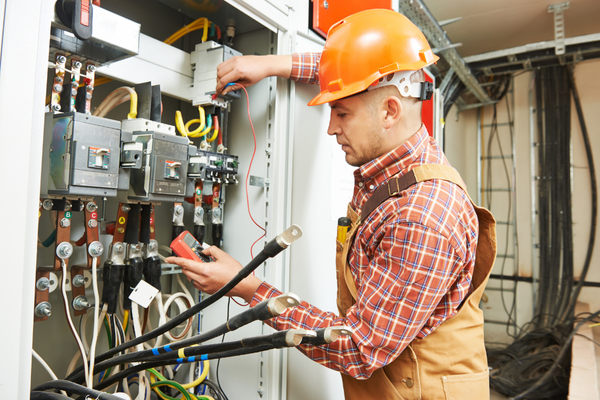
More drivers across Fort Mill, South Carolina are switching to electric vehicles, and EV charger installation cost has become a common question among homeowners. Charging at home saves time and keeps your routine simple. Johnathon Brown Electric walks Carolina homeowners through every part of this project, from panel capacity to final testing.
Table of Contents
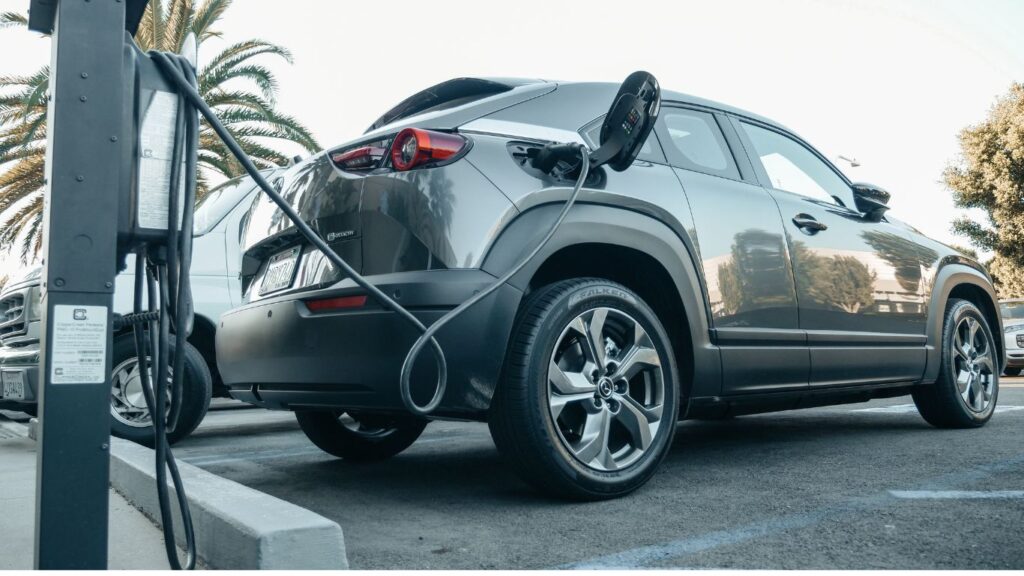
What Shapes EV Charger Installation Cost
EV charger installation cost depends on several factors tied to your home’s current electrical system. Here are the main pieces that affect your total:
- Panel capacity: Your electrical panel needs enough room to support a new circuit for charging.
- Conduit run length: The distance between your panel and your charger location affects wiring and labor.
- Charger type: A Tesla Wall Connector and other Level 2 chargers carry different installation needs.
- Outlet type: A NEMA 14-50 outlet cost depends on wiring distance and panel access.
- Load management device: Some homes need this device to balance power between the charger and other major appliances.
- Permit and inspection: Local permits confirm your installation meets code before you start charging.
Level 2 Charger Install Price: What Goes Into the Project
A level 2 charger install price reflects more than just the hardware. Here is what a full cost to install ev charger at home usually includes:
- Home electrical assessment to confirm panel capacity
- Circuit design based on your charger’s power needs
- Conduit run installation from the panel to the charging location
- Mounting and wiring of the charger or outlet
- Permit filing and scheduling of the required inspection
- Final testing to confirm safe, reliable operation
The ev charger electrician cost portion of your project covers this full process, not just the time spent mounting the unit on your wall.
Tesla Wall Connector Installation Cost vs NEMA 14-50 Outlet Cost
Homeowners often compare a Tesla Wall Connector against a standard outlet setup. Both options charge your vehicle, but they differ in a few ways:
- Tesla Wall Connector installation cost covers a hardwired unit built for faster charging speeds and a cleaner wall setup.
- NEMA 14-50 outlet cost covers a plug-style setup that works with a portable charging cable, giving you flexibility to unplug and travel with your equipment.
- Charging speed tends to favor the Tesla Wall Connector, since it delivers power more efficiently for vehicles built to use it.
- Flexibility favors the NEMA 14-50 outlet, since it can support other high-power devices beyond your vehicle.
Johnathon Brown Electric helps you weigh these options based on your vehicle, your garage layout, and your daily charging habits.
Panel Capacity and Load Management
Older homes sometimes lack the panel capacity to support a new EV circuit without changes. Here is how our team addresses this:
- A load calculation confirms whether your panel has room for the new circuit
- A load management device can balance charging power with your home’s other demands
- A panel upgrade may be recommended if your current system cannot support the added load
- Conduit run length and routing get planned to minimize disruption to your walls and yard
Addressing panel capacity early keeps your EV charger installation cost predictable and avoids surprises once work begins.
Cooler Weather and Home Charging
Winter driving often uses more battery power due to heating and cold-weather range loss. This makes cooler months a smart time to plan your home charging setup. Consider these steps before winter arrives:
- Schedule a panel capacity review before demand for installation increases
- Compare Tesla Wall Connector and NEMA 14-50 options based on your vehicle
- Ask about the federal tax credit that may apply to qualifying installations
- Review the Duke Energy EV rate program, which may lower your charging costs during off-peak hours
Planning ahead of winter helps you avoid delays during a season when many homeowners rush to finish outdoor electrical projects before the weather turns.
Why Homeowners Choose Johnathon Brown Electric
Carolina homeowners trust us because we treat every EV charging project with the same attention to detail, whether it involves a simple outlet or a full panel upgrade. Here is what you gain when you work with our team:
- Accurate assessments: We review panel capacity and conduit run length before recommending a solution.
- Licensed installation: Every connection, from the NEMA 14-50 outlet to the Tesla Wall Connector, follows code.
- Local program knowledge: We help you understand the Duke Energy EV rate and federal tax credit options that may apply.
- Honest estimates: We explain EV charger electrician cost line by line before work begins.
- Reliable results: We test every installation to confirm safe, consistent charging.
Learn more about our electrical installation services in Fort Mill and how our team supports homes switching to electric vehicles.
Get a Clear Estimate for Your EV Charger Installation Cost
Every home has different wiring, different panel capacity, and a different story behind its electrical system. EV charger installation cost should never feel like a mystery pulled from a generic price list. Johnathon Brown Electric believes in walking you through every step, from your conduit run to your permit, so you know exactly what your project involves.
Whether you are comparing a Tesla Wall Connector installation cost against a level 2 charger install price, or weighing a simple NEMA 14-50 outlet cost, our team builds a written estimate around your actual home. We explain your panel capacity, any load management device you may need, and how programs like the Duke Energy EV rate and federal tax credit could apply to your project.
Contact us today and schedule your home assessment before winter driving season arrives. Understanding EV charger installation costs starts with one conversation, and our team is ready to walk you through every part of the process with patience and clear answers.