Power outages create immediate stress for families living in Fort Mill, SC. Heavy spring thunderstorms, lingering hurricane remnants, and occasional winter ice storms frequently disrupt the local electrical grid. Losing power means losing air conditioning during sweltering summer days, losing heat during freezing winter nights, and dealing with spoiled groceries in warm refrigerators. Facing these repeated disruptions, property owners must make a crucial decision regarding backup power. Choosing the right equipment requires comparing portable models against permanent systems and understanding the entire process of home generator installation.
Table of Contents
What Is a Portable Generator?
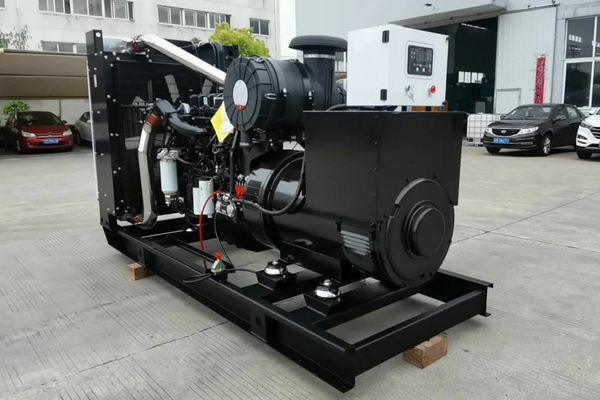
A portable generator serves as a temporary, movable source of electricity. These units run on gasoline, diesel, or liquid propane. Owners typically store them in a garage or utility shed. During a blackout, the homeowner must physically move the machine outdoors, away from windows and doors, fill the tank with fuel, and pull a starter cord or press a start button. Once the engine runs, the user plugs heavy-duty extension cords directly into the unit and routes those cords indoors to power individual appliances like a single refrigerator, a few lamps, or a box fan.
Advantages of Portable Generators
- Lower Initial Commitment: Buying a small unit off the shelf requires less initial capital than a permanent system.
- Mobility: Users can load the machine into a truck to provide power for camping trips, tailgating events, or remote construction sites.
- No Permitting Required: Purchasing a mobile unit avoids the need to pull electrical or building permits from the local municipality.
Disadvantages of Portable Generators
- Manual Labor Required: Starting the machine requires going outside during severe weather, dragging a heavy metal frame through rain or snow, and manually starting the engine.
- Limited Power Supply: Small engines produce limited wattage. They cannot power central air conditioning units, electric water heaters, or whole-house well pumps.
- Fuel Scarcity: Gas stations lose power during regional blackouts. Finding fresh gasoline during a wide-scale emergency becomes incredibly difficult.
- Severe Safety Hazards: Operating a combustion engine near a house introduces extreme carbon monoxide risks. Stringing extension cords through open windows allows severe weather indoors and creates significant tripping and fire hazards.
What Is a Whole House Standby Generator?
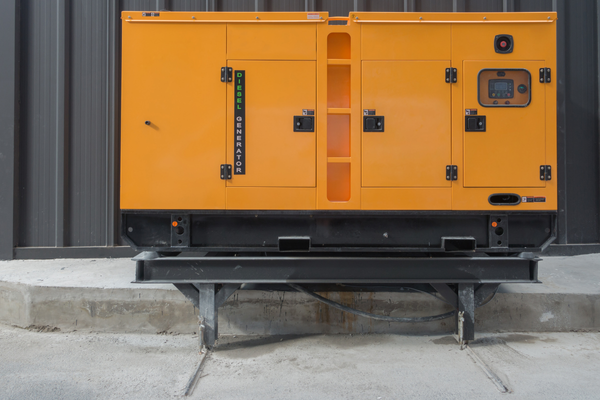
A whole house standby generator operates as a permanent fixture attached directly to your property’s electrical system. These machines sit outside on a poured concrete pad, looking similar to a central air conditioning compressor. Plumbers connect the engine directly to the home’s underground natural gas lines or a large liquid propane tank. An electrician hardwires the system into the main electrical breaker panel through a device called an Automatic Transfer Switch.
Advantages of Standby Generators
- Automatic Operation: The system detects a power loss immediately. Within seconds, the machine turns itself on, assumes the electrical load, and restores power to the entire property without any human intervention.
- Massive Power Output: These machines generate enough electricity to run an entire household simultaneously. Homeowners can run their central HVAC systems, multiple refrigerators, electric ranges, deep freezers, home offices, and medical equipment without interruption.
- Continuous Fuel Supply: Pulling fuel directly from municipal natural gas lines means the engine can run for days or weeks without requiring manual refueling.
- Increased Property Value: Appraisers recognize permanent electrical upgrades. Adding a standby system increases the resale value of a Fort Mill home.
- Supreme Safety: Professional home generator installation eliminates the need for dangerous extension cords and completely isolates the carbon monoxide exhaust from the living space.
Disadvantages of Standby Generators
- Requires Professional Installation: Working with high-voltage electricity and explosive natural gas requires licensed electricians and plumbers.
- Permanent Fixture: The machine remains attached to the property and cannot travel to secondary locations.
What Are the Main Differences Between the Two Systems?
Understanding the contrast between these two options helps homeowners make the right choice for their families. The differences span across power output, convenience, fuel management, and safety protocols.
Portable units top out around a few thousand watts. This covers bare survival needs. Running a microwave might require unplugging the refrigerator to avoid tripping the breaker on the machine. Standby units produce tens of thousands of watts. A family can do laundry, bake dinner in an electric oven, and run the central air conditioner all at the exact same time during a total neighborhood blackout.
Fuel management presents another massive divide. Gasoline goes stale after a few months. Leaving untreated gasoline in a portable tank will clog the carburetor, rendering the machine useless exactly when an emergency strikes. Owners must constantly drain, treat, and cycle their fuel reserves. Standby machines utilizing municipal natural gas never face fuel degradation. The fuel flows continuously from underground pipes, totally immune to local gas station closures or supply chain disruptions.
Why Do Fort Mill, SC Residents Need Reliable Backup Power?
Fort Mill experiences a wide variety of turbulent weather patterns throughout the calendar year. The geographical position in South Carolina places the town in the path of severe spring storm fronts moving across the southeast. These storms bring high winds and lightning strikes that routinely sever local power lines.
During the late summer and early autumn, remnants of coastal hurricanes push inland, bringing torrential rain. The saturated ground allows tall trees to uproot easily, crashing through utility poles and plunging entire neighborhoods into darkness.
The heat and humidity of a South Carolina summer present severe health risks without air conditioning. Temperatures frequently climb into the high nineties with stifling humidity levels. A power outage lasting more than a few hours quickly turns a comfortable home into a dangerous environment, especially for the elderly, young children, or individuals with respiratory issues. Having a reliable power source keeps the HVAC system running, filtering the air and maintaining safe indoor temperatures.
Many Fort Mill properties sit on large lots relying on private well pumps and septic systems. An electrical outage stops a well pump from drawing water. The house loses all running water. Toilets cannot flush, and faucets run dry. A whole house system powers the heavy 240-volt electrical draw of a deep well pump, keeping clean water flowing to the taps regardless of the utility grid’s status.
Which Generator Should You Choose for Your Home?
Evaluating your household’s daily electrical dependence will dictate the proper choice. Start by auditing the appliances you absolutely cannot live without during a three-day blackout.
If your requirements only involve keeping mobile phones charged, running a small lamp, and keeping a single refrigerator cold, a portable unit fits the requirement. You must accept the responsibility of storing fresh gasoline safely, testing the engine monthly, and braving the elements to pull-start the machine during a severe thunderstorm.
If your daily life involves remote work requiring constant internet access, running a well pump for drinking water, keeping an entire house cool during a heatwave, or powering specialized medical equipment, a portable unit will fail to meet those demands. A whole house standby system becomes necessary. The automatic transfer switch guarantees that even if you are away on vacation during a storm, the system will activate, powering your sump pump to prevent basement flooding and keeping your refrigerator cold to prevent food spoilage.
What Does the Home Generator Installation Process Entail?
Choosing a permanent backup system involves a structured, multi-step construction project. Professional home generator installation requires precise coordination between electricians, plumbers, and local code enforcement officials.
Here are the standard steps involved in a professional home generator installation:
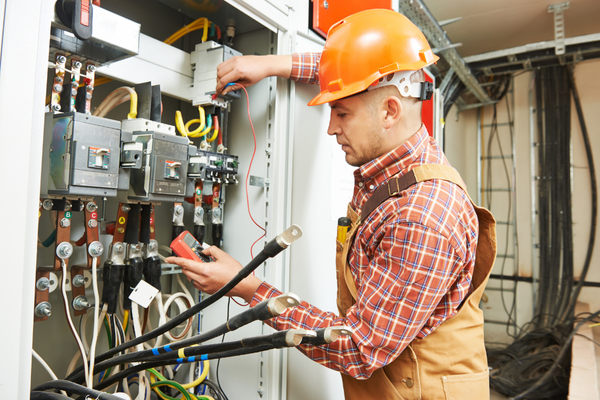
- Electrical Load Calculation: A licensed electrician evaluates your home’s main breaker panel to calculate the total electrical demand. This determines the exact kilowatt size required to power the property.
- Site Selection and Permitting: The team selects an outdoor location adhering to Fort Mill zoning laws and York County fire codes. The contractor submits blueprints and applies for all necessary municipal building and electrical permits.
- Site Preparation: Workers pour a level concrete pad or install a high-strength composite base to support the heavy engine block.
- Fuel Line Connection: Licensed plumbers trench the yard to connect the engine to the municipal natural gas meter or a dedicated liquid propane tank.
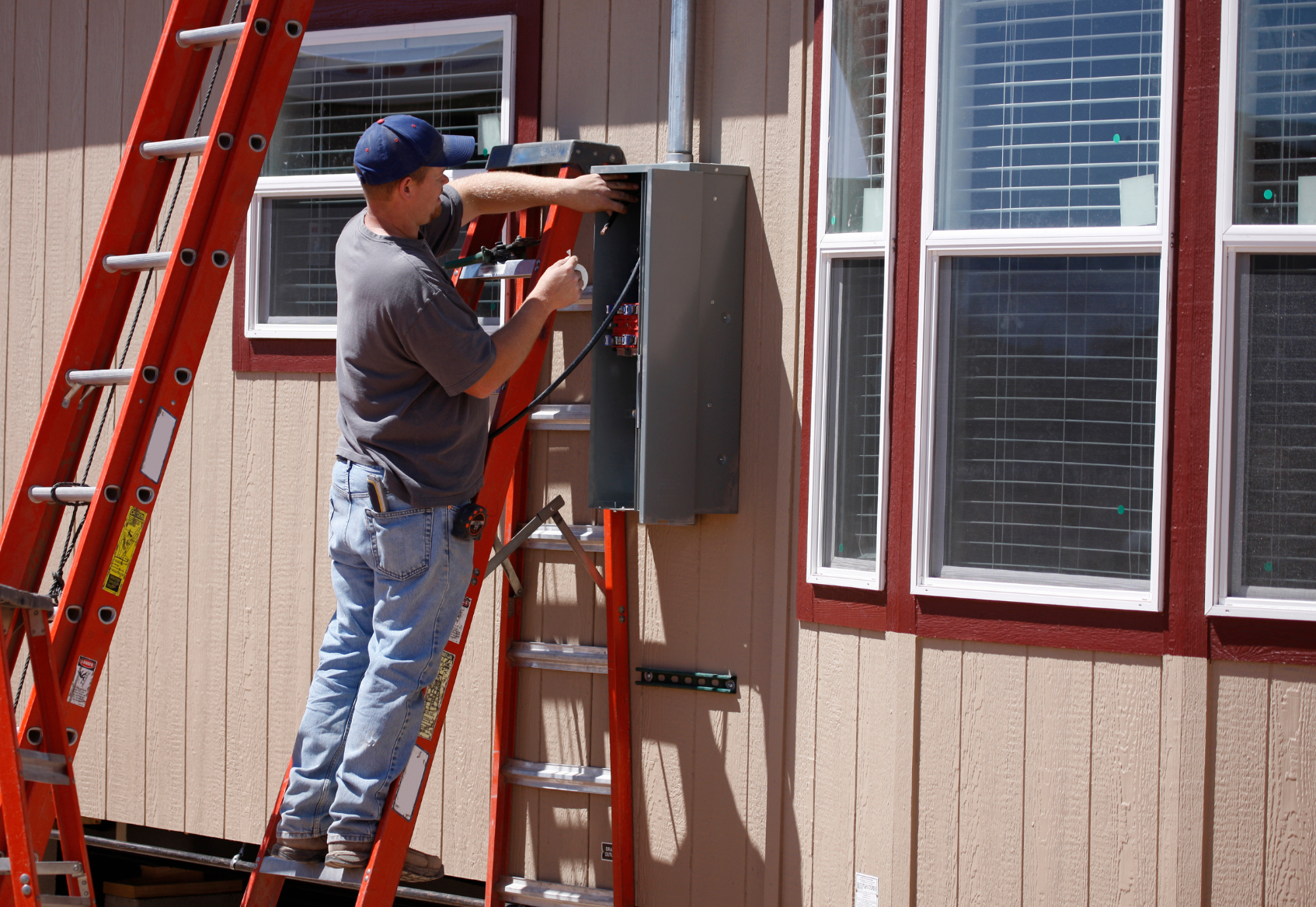
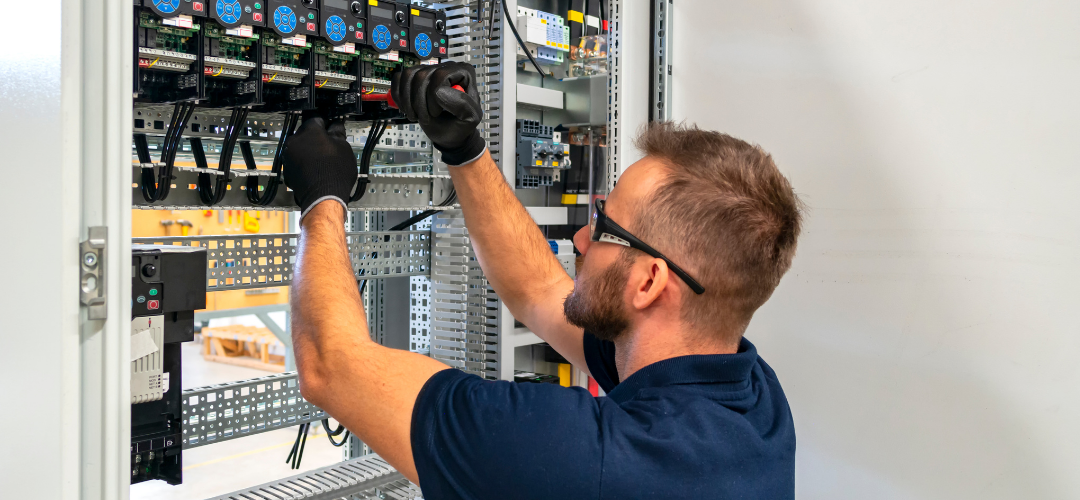
- Setting the Automatic Transfer Switch (ATS): The electrician mounts the ATS next to the main electrical panel. This critical device acts as the brain of the system, severing the connection to the dead utility grid and switching the home over to generator power.
- Hardwiring and Integration: Installers run heavy-gauge conduit between the outdoor engine and the indoor transfer switch, securing the high-voltage connections.
- System Simulation and County Inspection: The team shuts off the main power to simulate a blackout, testing the engine’s response time and voltage output. Finally, a local Fort Mill municipal inspector reviews the work to approve the permits and certify the safety of the installation.
Partner with Johnathon Brown Electric for Complete Power Security
Handling high-voltage electrical panels and explosive gas lines is not a do-it-yourself weekend project. Securing your home against the unpredictable South Carolina weather requires precise engineering, strict adherence to local building codes, and flawless execution.
Johnathon Brown Electric provides complete, start-to-finish home generator installation in Fort Mill, SC. Our team of highly trained, licensed electricians manages every single phase of the project. We handle the complex load calculations, navigate the York County permitting process, pour the concrete foundations, route the fuel lines, and hardwire the automatic transfer switches. We guarantee strict compliance with all local safety regulations.
Do not wait for the next severe storm front to knock out the power grid. Secure your family’s comfort, protect your appliances, and keep your lights on through the worst weather conditions. Contact Johnathon Brown Electric today to schedule an on-site property evaluation and secure your permanent backup power system.