Fort Mill, SC, features charming neighborhoods, stunning brick architecture, and beautiful outdoor spaces lined with mature trees. When the sun goes down, many of these stunning properties disappear into the shadows. Implementing an effective outdoor design changes how a property looks and feels after dark. Proper illumination highlights architectural details, guides guests safely along pathways, and creates a welcoming atmosphere. This guide covers the exact methods required to design a beautiful exterior lighting plan for your home.
Table of Contents
What is Landscape Outdoor Lighting?
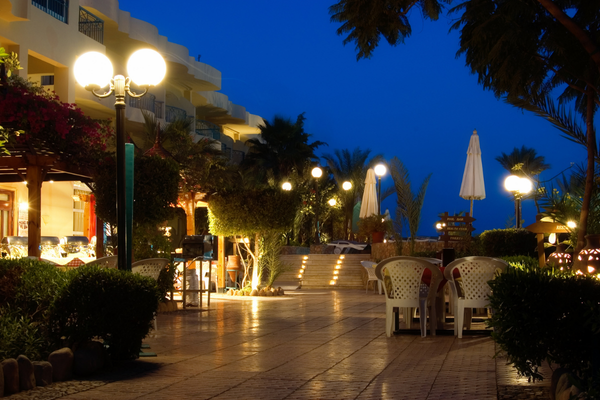
Landscape Outdoor Lighting is the deliberate placement of exterior low-voltage light fixtures to illuminate gardens, pathways, architectural features, and outdoor entertaining areas. It serves three main purposes: improving safety along walkways, deterring trespassers, and enhancing the visual appeal of a property after dark.
By placing fixtures thoughtfully, homeowners highlight focal points and create stunning visual depth. This practice goes far beyond simply installing a bright floodlight above a garage. It involves layering different types of light to achieve a balanced, elegant aesthetic across the entire property.
Why Does Fort Mill's Visual Impact Depend on Good Illumination?
South Carolina homes often feature intricate details like wraparound porches, textured masonry, and lush gardens filled with crape myrtles and oak trees. During daylight hours, natural sunlight provides depth and shadows, making these features stand out. Nightfall erases that visual interest.
Well-planned lighting restores that beauty. A brightly lit pathway welcomes guests to your front door. Softly glowing trees create a stunning backdrop. Neighbors and passersby notice the distinct difference between a dark, hidden house and one that glows warmly against the night sky. Upgrading your exterior illumination directly impacts your property’s nighttime aesthetic, making it stand out in your local Fort Mill neighborhood.
How Do You Choose the Right Fixtures for Your Property?
Selecting correct fixtures dictates the success of your entire exterior design. Different areas of your yard require completely different types of illumination. Using the wrong fixture creates harsh glares or leaves areas uncomfortably dark.
Path Lights for Safety and Guidance
Path lights sit low to the ground and cast illumination directly downward onto a walking surface. They guide guests safely from the driveway to the front porch, preventing trips and falls. The placement of path lights requires careful attention. Spacing them too closely together creates an undesirable “airport runway” effect. Staggering them along alternating sides of a walkway provides adequate illumination while maintaining a natural, organic look.
Spotlights for Dramatic Focal Points
Spotlights project a narrow, concentrated beam of light. Designers use them to draw attention to specific, narrow features. If you have a tall flagpole, a birdbath, or a narrow column on your front porch, a spotlight aims attention exactly where you want it. The narrow beam prevents light from spilling over into unwanted areas, keeping the focus tight and controlled.
Wash Lights for Walls and Hedges
Wash lights produce a wide, soft beam. They work perfectly for illuminating large, flat surfaces. Pointing a wash light at the side of your home creates a gentle glow across the siding. They also work exceptionally well for illuminating wide garden hedges or retaining walls. The wide beam reduces harsh shadows, producing a smooth, even distribution of light.
Well Lights for Hidden Illumination
Well lights install flush with the ground level. The fixture body remains buried, leaving only the protective lens visible. These fixtures work perfectly in grassy areas where lawnmowers pass over them. They shoot light straight up, making them ideal for illuminating the base of thick trees or massive architectural columns. Because the fixture hides below the surface, the eye only sees the light effect, not the hardware itself.
Which Techniques Work Exceptionally Well for Highlighting Trees and Architecture?
Knowing which fixtures to buy is only the first step. The placement and aiming of those fixtures dictate the final result. Professional designers rely on specific techniques to craft visually stunning yards.
Up-lighting Majestic Trees
Up-lighting involves placing a fixture at the base of an object and aiming the beam upward. This technique works perfectly for the large, mature oak trees scattered throughout Fort Mill. Placing a fixture near the trunk highlights the rough texture of the bark. Moving the fixture further out toward the drip line of the branches casts a wide glow up into the canopy, creating massive volume and scale.
Silhouetting Interesting Shapes
Silhouetting requires placing a light source behind an object and aiming it at an adjacent wall. The object itself remains unlit, creating a dark, striking outline against the illuminated background. This technique works beautifully for plants with unique, jagged leaves or distinct garden statues. The resulting shadow acts as a piece of outdoor art.
Grazing Textured Surfaces
Grazing highlights the rough textures of brick, stone, and stucco. You achieve this by placing a fixture very close to a wall and aiming the beam almost parallel to the surface. The light catches every ridge and bump, creating deep, dramatic shadows. Fort Mill homes with stone facades or custom brickwork benefit heavily from grazing, as it completely redefines the look of the masonry at night.
Moonlighting for a Natural Glow
Moonlighting mimics the natural glow of a full moon. This requires mounting a fixture high up in the branches of a large tree and aiming it downward. The light filters through the leaves and branches, casting soft, dappled shadows across the lawn or patio below. It provides excellent, wide-area illumination while keeping the light source completely hidden from view.
How Do You Balance Light and Dark Zones Effectively?
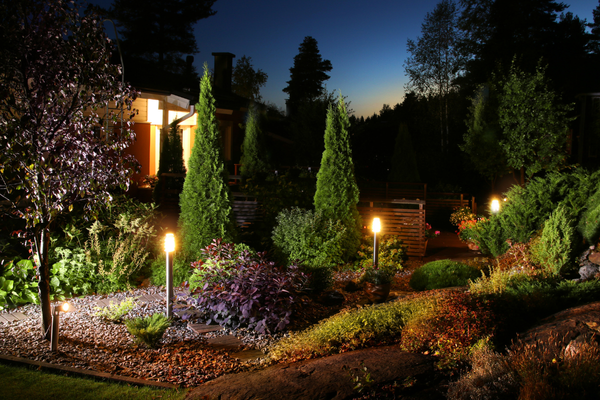
Creating a brilliant yard requires understanding contrast. Illuminating every single inch of your property washes out the details and creates a flat, uninteresting look. Dark spaces act as the canvas, allowing the illuminated features to pop out.
Guiding the eye requires careful planning. You want to draw attention to the beautiful aspects of your property, like the front door, a water feature, or a grand tree. You want to leave less attractive elements, such as utility meters, trash bins, or bare side fences, in the dark.
A successful design relies on building layers. Start by lighting the primary focal point of the yard. Next, add path illumination for safety and navigation. Finally, fill in the gaps with soft ambient light to connect the different zones. Leaving intentional pockets of darkness between these illuminated zones creates depth and mystery.
What Color Temperature Fits Southern Homes Perfectly?
Light bulbs emit different colors of white light, measured on a temperature scale. Choosing the right color temperature heavily influences the mood of your outdoor space.
Warm light mimics the glow of a traditional fire or an old-fashioned incandescent bulb. It produces a soft, yellowish hue. This temperature feels welcoming, classic, and relaxing. It pairs beautifully with the brick, wood, and natural stone materials common in Southern architecture. Warm light enhances the natural greens and browns of your garden, making the plants look healthy and vibrant.
Cool light produces a bluish, icy hue. While often used in commercial parking lots for high visibility, it looks harsh and sterile in a residential setting. Cool light makes plants look unnatural and washes out the warm colors of brick siding. Sticking to warm, inviting tones keeps your property looking like a comfortable home rather than a commercial facility.
How Do Smart Controls Change the Lighting Experience?
Manual switches require you to remember to turn your system on every night and off every morning. Modern systems eliminate this chore completely. Smart controls manage your entire exterior system automatically.
You can set up schedules based on your local sunrise and sunset times. As the days get longer in the summer and shorter in the winter, the system adjusts automatically.
Advanced systems allow you to control different zones of your yard independently from a smartphone application. You can keep the front yard brightly lit for security while dimming the back patio lights for a quiet evening outside. You can even change the brightness levels for hosting parties or relaxing alone. The system operates autonomously in the background, giving you a perfect nighttime environment every single day.
Why Hire a Professional Electrician in Fort Mill?
Designing and installing exterior illumination requires serious technical knowledge. Working with electricity outdoors presents unique hazards. Wet environments demand correct weatherproofing and exact voltage calculations.
Wiring must be buried correctly to avoid damage from lawnmowers, aerators, and foot traffic. A professional electrician calculates the exact voltage drop across long runs of wire. Without these calculations, lights at the end of the wire run will appear noticeably dimmer than the lights near the power source. An electrician balances the electrical load perfectly, keeping every single fixture burning at the exact same brightness.
Attempting a DIY installation often leads to exposed wires, tripped breakers, and uneven illumination. Trusting a trained professional prevents electrical hazards and guarantees a flawless final product.
Ready to Upgrade Your Home's Nighttime Appearance?
Your property deserves to look just as beautiful at night as it does during the day. A well-planned exterior design improves safety, highlights your home’s gorgeous architecture, and makes your property the standout star of your Fort Mill neighborhood.
Achieving this level of quality requires expert planning, high-quality fixtures, and flawless electrical work. Johnathon Brown Electric handles every step of the process, from initial design consultation to the final wire connection. We understand the specific architectural styles of Fort Mill and know exactly how to make your home shine.
Stop settling for a dark, uninviting yard. Contact Johnathon Brown Electric today to schedule your consultation. Let us build a beautiful Landscape Outdoor Lighting system for your home.