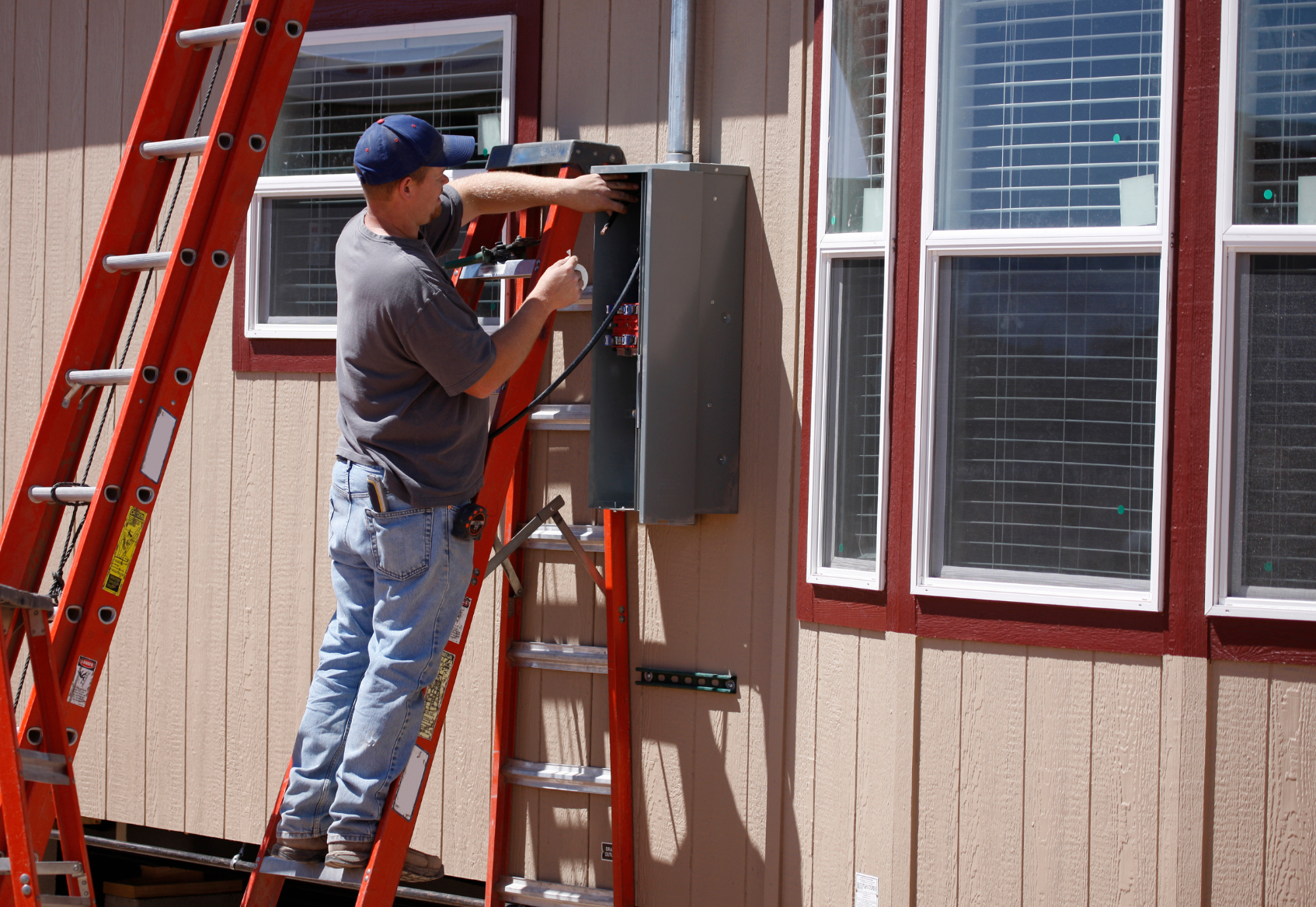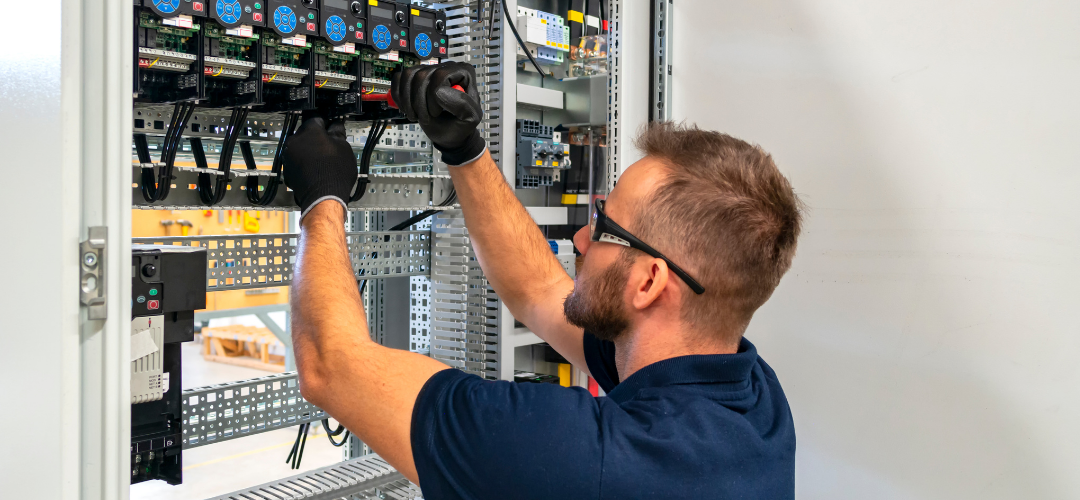
Power outages in Fort Mill can happen during thunderstorms, high winds, and severe summer weather. Home Generator Installation gives you a reliable backup plan—so your fridge stays cold, your medical devices keep running, and your home stays livable even when the grid goes down. In this guide, Johnathon Brown Electric breaks down generator types, the full installation process, safety must-dos, maintenance basics, and how to hire the right licensed electrician.
1) Types of home generators (and who they’re for)
Portable generators (gasoline)
Portable units are the “grab-and-go” option. They can power a few essentials with extension cords or a professionally installed inlet and transfer switch.
Best for:
- Short outages
- Basic loads (fridge, fans, lights, device charging)
Trade-offs:
- Manual setup in bad weather
- Refueling and storage
- More user error risk
Inverter generators (portable, cleaner power)
Inverter generators are portable like standard units, but they produce steadier power that’s friendlier for electronics. They’re also often quieter and more fuel-efficient.
Best for:
- Electronics-heavy homes
- Quieter neighborhoods
- Light-to-medium backup needs
Standby whole-home generators (automatic)
A standby generator is permanently installed outside (like a small HVAC unit). It turns on automatically when power drops and sends power through an automatic transfer switch.
Best for:
- Families who work from home
- Homes with sump pumps, well pumps, or medical equipment
- People who want “hands-off” backup power
Common fuels:
- Natural gas (if available)
- Propane (common in areas without natural gas)
Partial-home standby systems (critical loads only)
Not every home needs “whole-home.” Many homeowners choose a standby generator sized for critical circuits only: fridge, HVAC blower, internet, lighting, garage door, and select outlets.
Best for:
- Lower install cost
- Faster sizing and simpler load planning
2) How to choose the right generator size
Sizing is where most regret happens. Too small, and you’ll trip breakers. Too large, and you overpay.
A good sizing process includes:
- A “critical loads” list: fridge, freezer, microwave, Wi-Fi, lighting, HVAC, pumps, medical devices
- Starting wattage vs running wattage: motors (AC, pumps) need extra power at startup
- A plan for load management: you don’t need everything at once
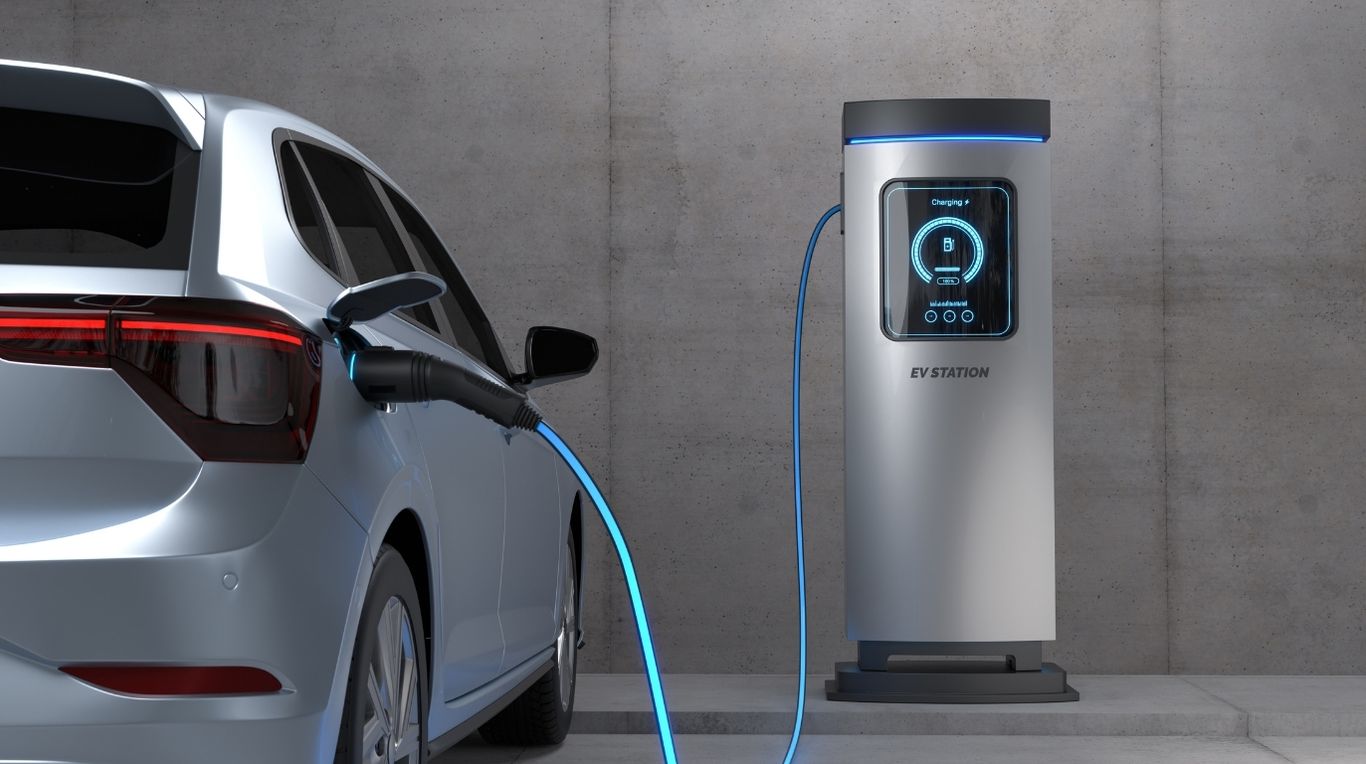
- Future-proofing: adding a pool, EV charger, or home office setup changes needs
Many standby systems are sized in kilowatts (kW). A licensed electrician can calculate loads and recommend a right-fit range instead of guessing.
3) Fuel options in Fort Mill: what to consider
Natural gas
- Pros: no refueling, steady supply (when gas service is intact)
- Cons: not available everywhere
Propane
- Pros: great for rural/semi-rural setups, long shelf life
- Cons: depends on tank size and refill access during storms
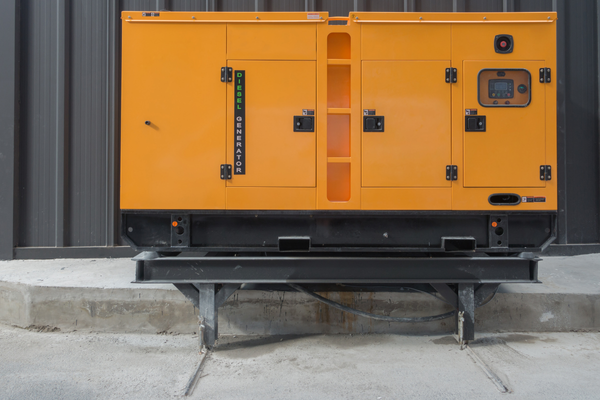
Diesel (less common for homes)
- Pros: efficient, long-running for certain setups
- Cons: fuel storage and maintenance are more involved
Your electrician will also confirm clearance requirements, noise considerations, and safe placement away from windows/doors.
4) The home generator installation process (step-by-step)
Here’s what a professional install typically looks like with Johnathon Brown Electric:
Step 1: Site visit + needs assessment
- Walk the property to pick a safe generator location
- Review your panel, service size, and grounding
- Build your “must-run” circuit list
- Confirm fuel source options (natural gas or propane)
Step 2: Permits and approvals (as required)
Many standby generator installs require permits and inspections. Your electrician handles the paperwork and coordinates inspections with the local authority having jurisdiction (often the town/county building department).
Step 3: Pad placement + generator set
- Install a composite pad or poured pad (depending on manufacturer and site)
- Set generator with proper clearances for airflow and service access
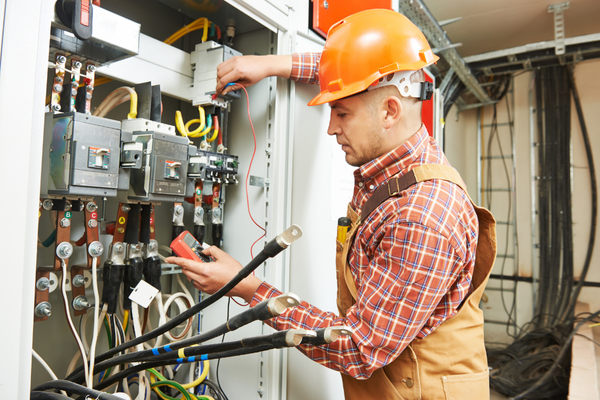
Step 4: Transfer switch installation (the heart of safety)
A transfer switch prevents backfeeding, which can endanger utility workers and damage equipment. This is not a DIY step.
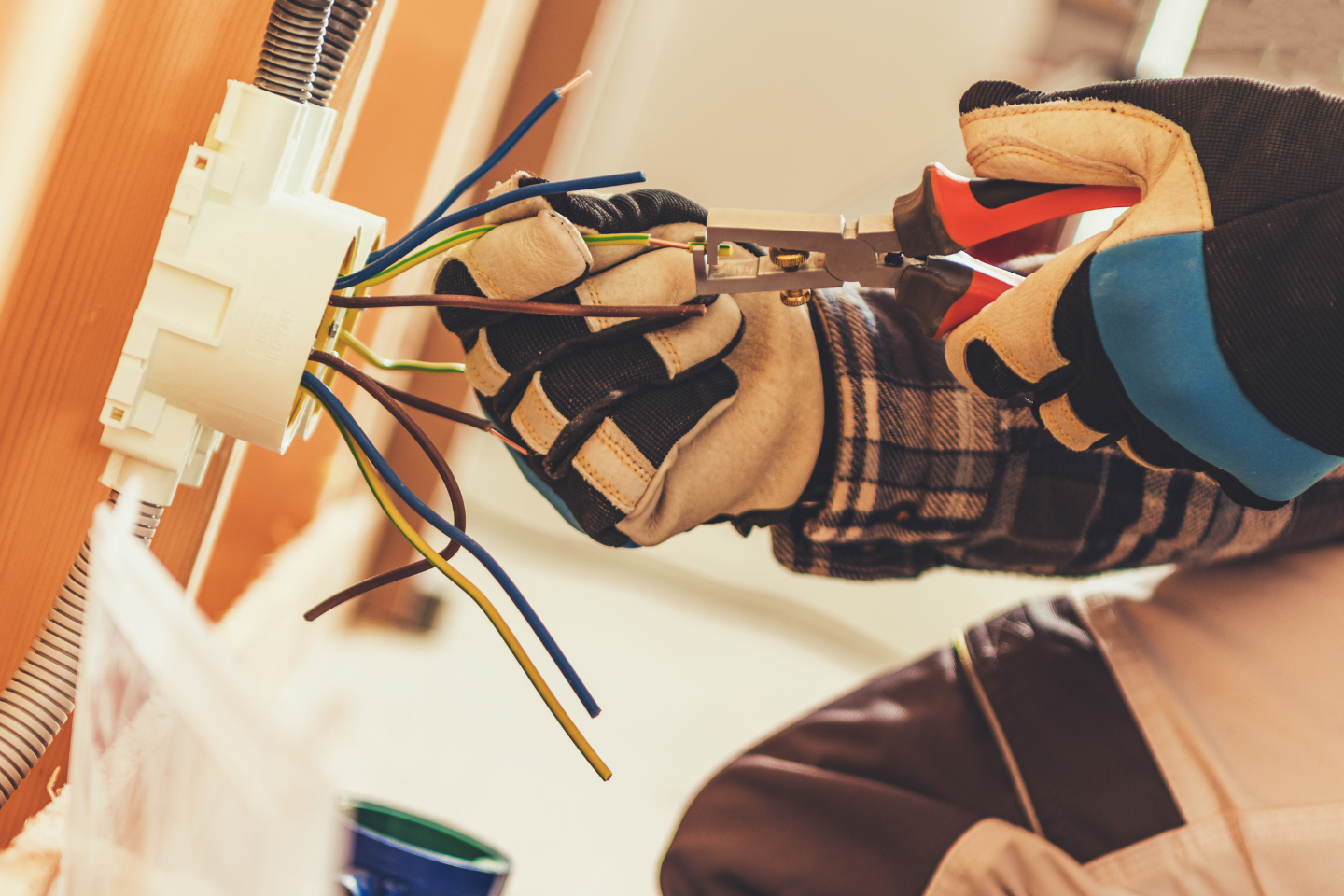
Step 5: Electrical wiring + circuit integration
- Route conduit and conductors to code
- Connect the automatic transfer switch (ATS) or manual switch (portable setup)
- Label circuits clearly for emergency use
Step 6: Fuel connection (if standby)
A qualified professional connects gas/propane lines per code and manufacturer requirements.
Step 7: Startup, testing, and homeowner walkthrough
- Commission the system (startup + diagnostics)
- Simulate a power outage to confirm automatic operation
- Show you the shutoff, alarms, maintenance reminders, and weekly exercise schedule
5) Safety tips every homeowner should follow
Generator safety is not optional. Carbon monoxide and improper electrical connections can kill.
Key rules:
- Never run a generator indoors or in a garage (even with doors open).
- Place portable generators at least 20 feet from the home, away from doors, windows, and vents.
- Use CO alarms on every level and near sleeping areas.
- Never plug a generator into a wall outlet (“backfeeding”). Use a transfer switch or properly installed inlet.
- Keep generators dry and don’t operate in wet conditions without proper protection and guidance.
- Turn off and cool down before refueling (portable units).
If you want an official checklist, use the outbound safety resource linked in the article below.
6) Maintenance: keep it ready when you need it
A generator that “should work” is not enough. You want a generator that does work on the worst night of the year.
For standby generators
Most systems run a weekly self-test (“exercise”). You should also:
- Check for warning lights monthly
- Keep the unit clear of leaves and debris
- Replace air filters and oil per the manual
- Test the battery and replace when weak (common failure point)
- Schedule an annual service inspection
For portable generators
- Run it periodically to keep fuel systems healthy
- Use fresh fuel and approved containers
- Stabilize fuel for longer storage
- Inspect cords and plugs before every use
7) Hiring licensed electricians in South Carolina: what to look for
Home generator work combines high-amperage electrical work, transfer equipment, and code compliance. Hiring the right pro protects your home and your warranty.
Look for:
- Proper licensing through South Carolina’s contractor licensing framework
- Insurance (liability + workers’ comp)
- Experience with transfer switches and service panels
- Clear scope of work (what’s included, what’s optional)
- A plan for permits and inspections
- Post-install support (maintenance and troubleshooting)
Johnathon Brown Electric installs generators the right way: correct sizing, code-compliant wiring, safe transfer switching, and a walkthrough so you know exactly how your backup power works.
Quick FAQs
Often, yes—especially for standby systems tied into your electrical panel and fuel supply. Your electrician should manage this process.
Usually not comfortably. Portable units are best for select loads unless you’re using a larger unit with a proper transfer setup—and even then, you’ll manage loads.
Carbon monoxide exposure and unsafe electrical connections. Follow outdoor-only placement rules and use a transfer switch.
As long as it has fuel and proper maintenance. Natural gas can run continuously in many cases; propane depends on tank size.
At least annually for standby systems, plus routine checks. Portable units need periodic run-time and fuel care.
It can if power quality is unstable. Inverter generators and properly installed standby systems typically provide cleaner power.