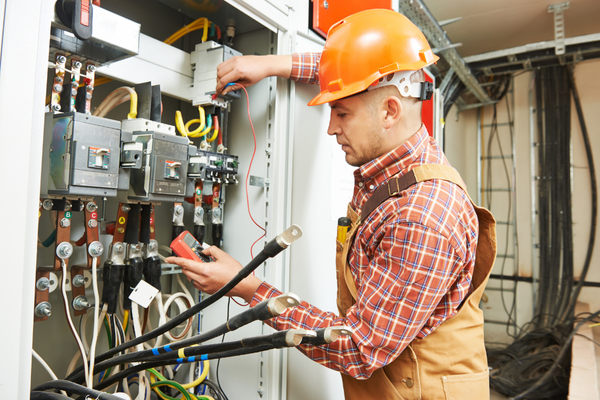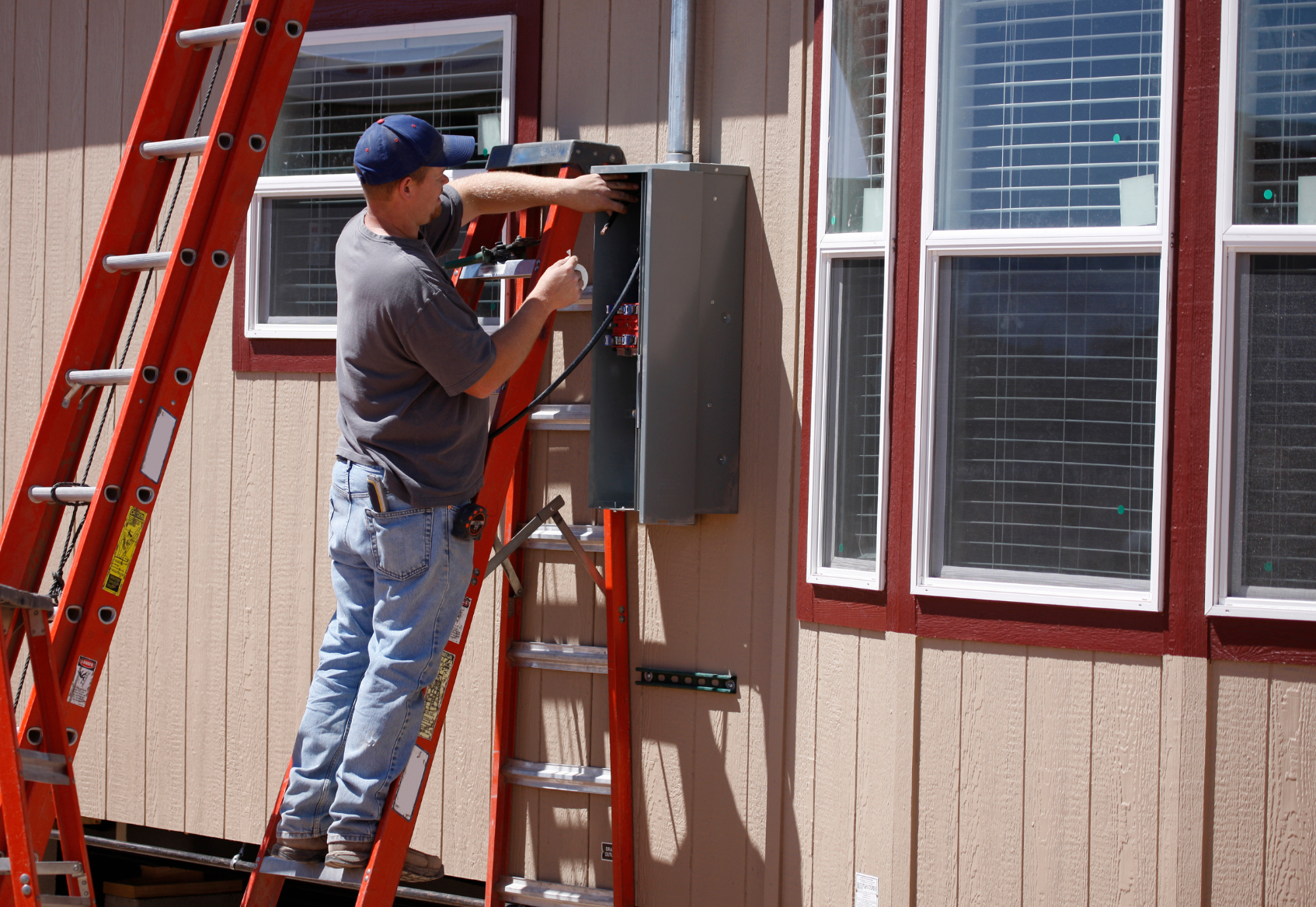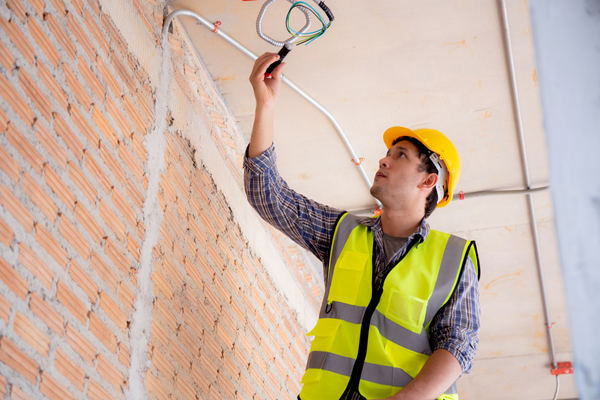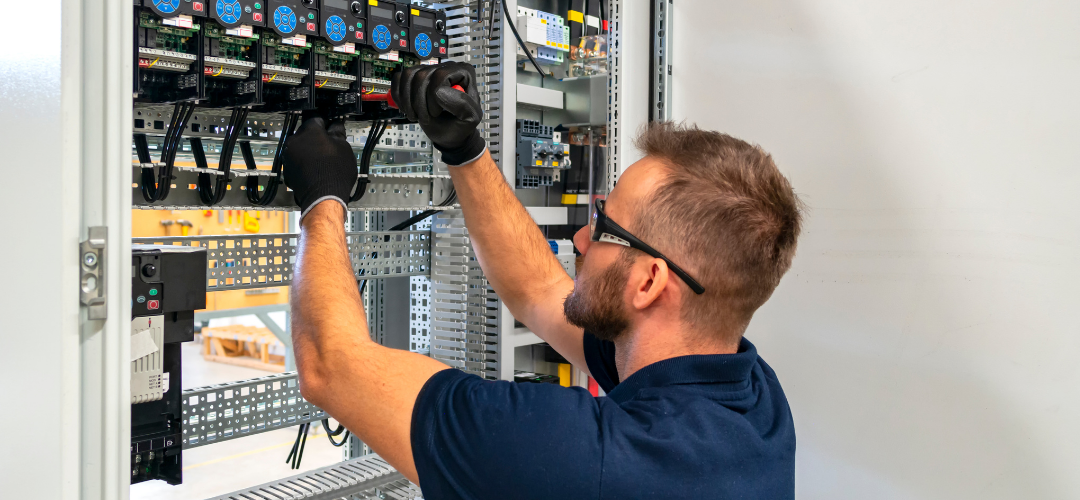
Electrical issues are more than just a nuisance they can be a serious safety hazard for your home and family. Whether you are dealing with flickering lights in a historic Rock Hill renovation or tripping breakers in a newer build, having access to reliable electrical repair services is essential.
Understanding the basics of your home’s electrical system helps you make informed decisions. This guide covers common electrical problems, factors that influence repair costs, and the critical differences between a safe DIY fix and a job that demands a licensed professional. When electricity is involved, safety must always come first.
Table of Contents

Common Electrical Problems in Rock Hill Homes
Every home experiences electrical hiccups, but recognizing the symptoms can prevent major damage. Here are the most frequent issues our technicians see in the Rock Hill area:
- Frequent Circuit Breaker Trips – If your microwave and toaster can’t run at the same time, your circuits are likely overloaded. This is a safety mechanism, but frequent tripping indicates a need for circuit upgrades or load redistribution.
- Flickering or Dimming Lights – This often points to a loose connection or a circuit suffering from voltage fluctuations. If it happens during windy weather, the issue might be with the utility service drop outside your home.
- Dead Outlets – A non-functioning outlet could be the result of a tripped GFCI (Ground Fault Circuit Interrupter), a loose wire, or a burned-out receptacle.
- Warm Switches or Outlets – Dimmer switches naturally get slightly warm, but standard switches or outlets should never be hot to the touch. This signals overheating and potential arcing.
- Buzzing Noises – Electricity should be silent. A buzzing sound coming from an outlet or panel usually indicates loose wiring or a failing breaker.
Warning: If you smell burning plastic or fishy odors near an outlet, shut off the power immediately and call an electrician. This is a sign of melting insulation.
DIY vs. Professional Electrical Repair: Where to Draw the Line
In the age of online tutorials, many homeowners feel tempted to tackle electrical repairs themselves. However, knowing your limits is vital for safety.
Safe DIY Tasks:
- Replacing a standard lightbulb.
- Resetting a tripped breaker (once).
- Resetting a GFCI outlet button.
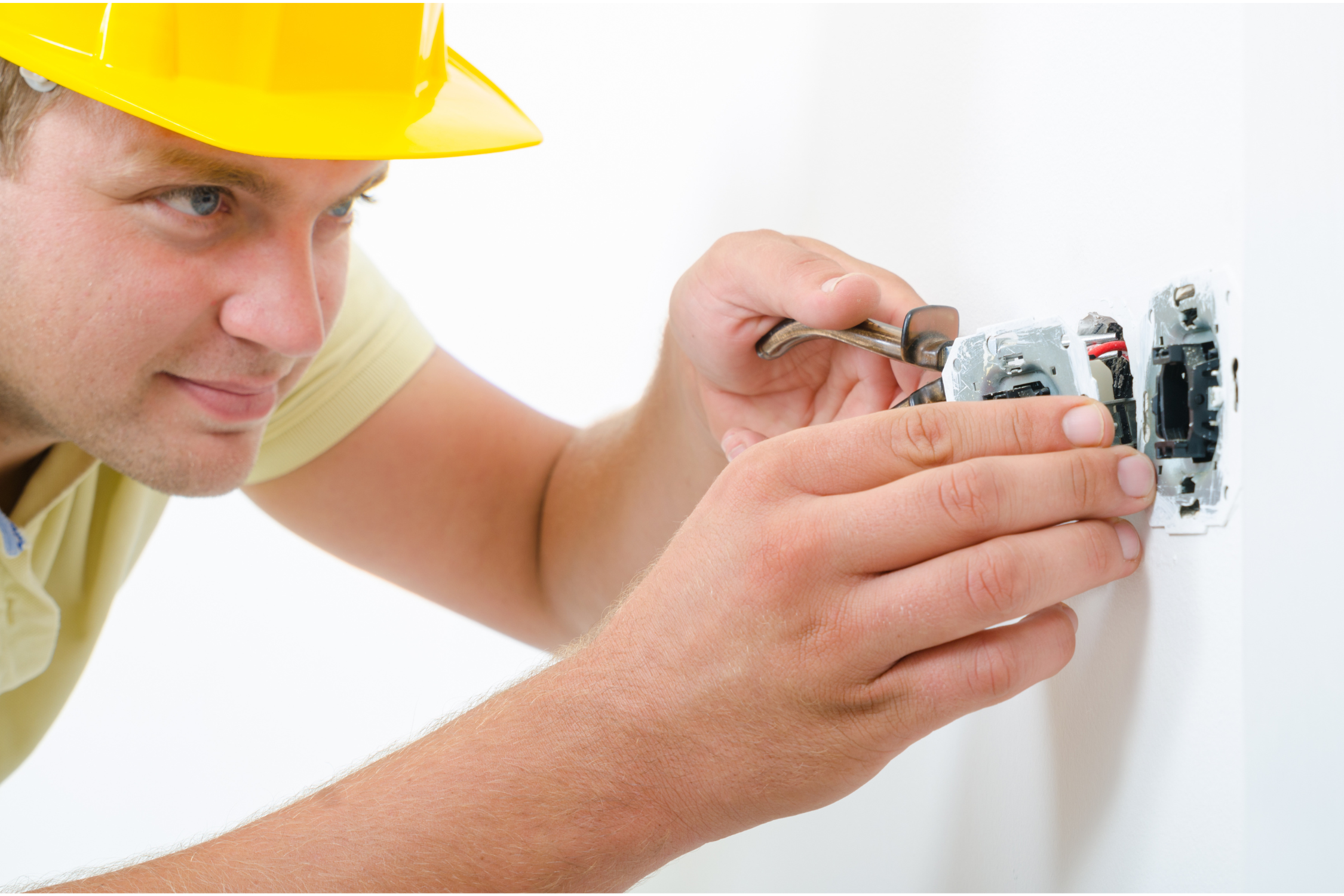
- Replacing faceplates on switches and outlets.
Requires a Professional Electrician:
- Replacing a Breaker Panel: Working inside the main panel exposes you to live bus bars that can deliver lethal shocks.
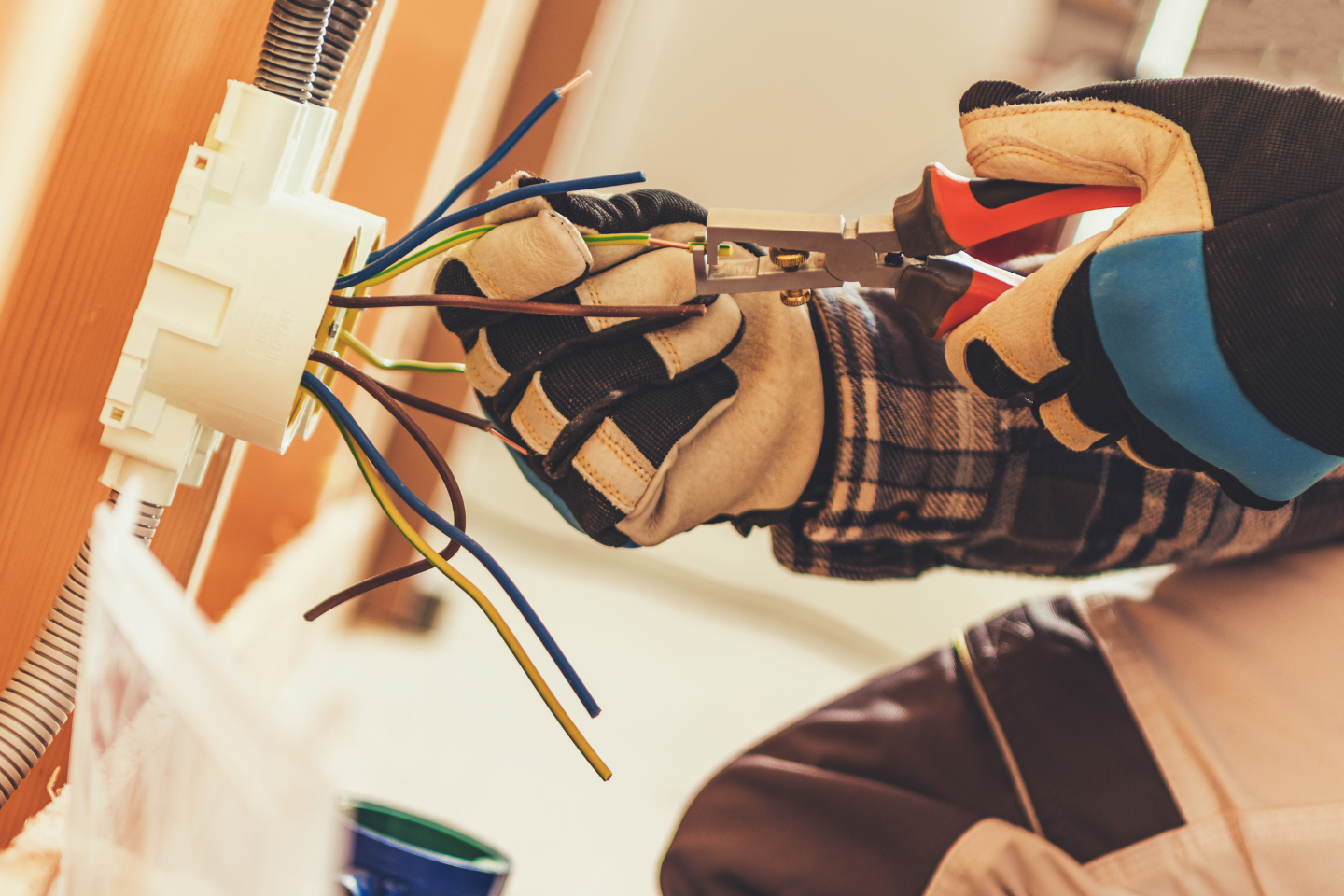
- Rewiring Circuits: Incorrect wire sizing can lead to hidden fires inside walls.
- Fixing Aluminum Wiring: Common in older homes, this requires specific connectors and torque tools to repair safely.
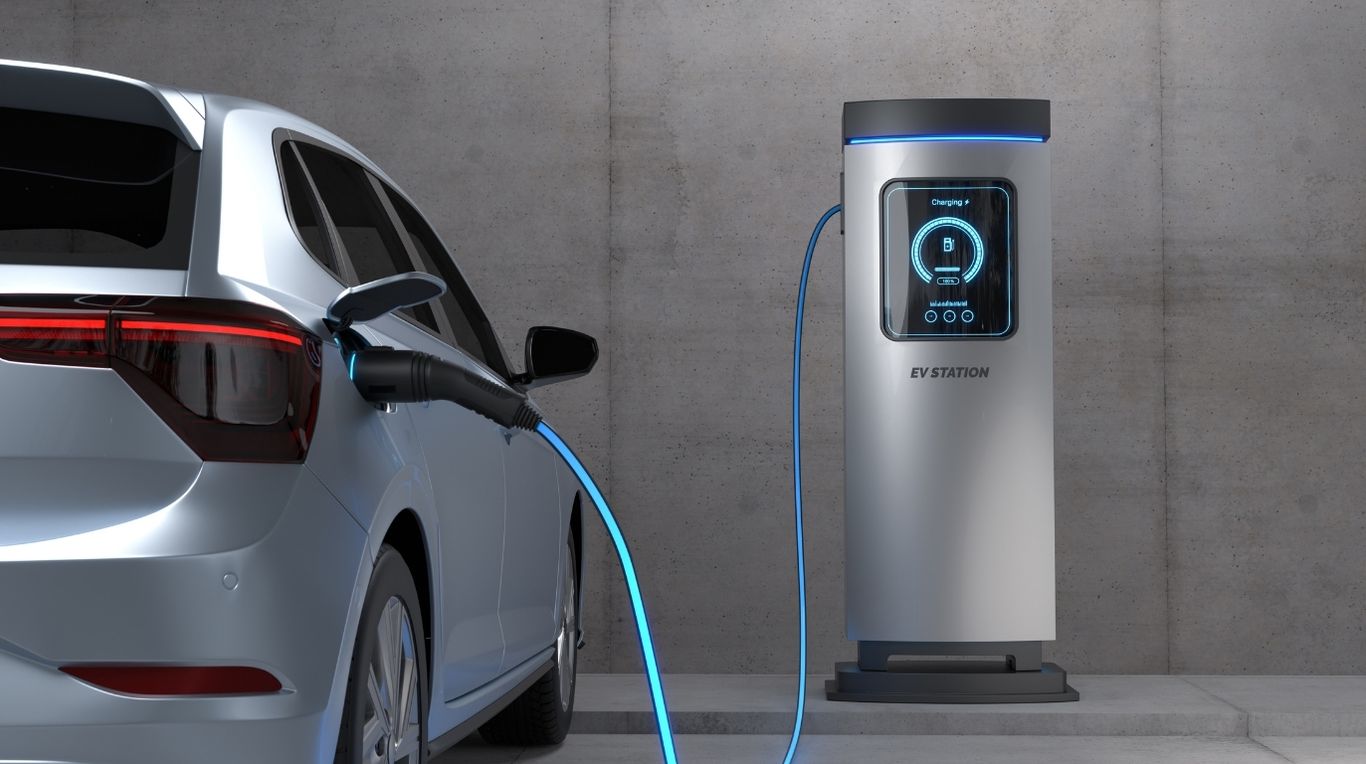
Installing New Circuits: Adding power for a hot tub or EV charger requires load calculations and permitting.
Safety Tips for Troubleshooting Electrical Issues
Before you even touch a switch plate, follow these non-negotiable safety rules:
- Never trust a label: Breaker panels are often mislabeled. Always test the specific wire or device with a non-contact voltage tester before touching it.
- Water and electricity don’t mix: Never work on electrical repairs with wet hands or while standing on a damp floor.
- Use the right tools: Insulated screwdrivers and pliers provide a necessary layer of protection against accidental contact.
- Respect the Arc: Arc faults occur when electricity jumps a gap. They can reach extreme temperatures instantly. If you hear sizzling, back away and cut the power.
Understanding Electrical Repair Costs
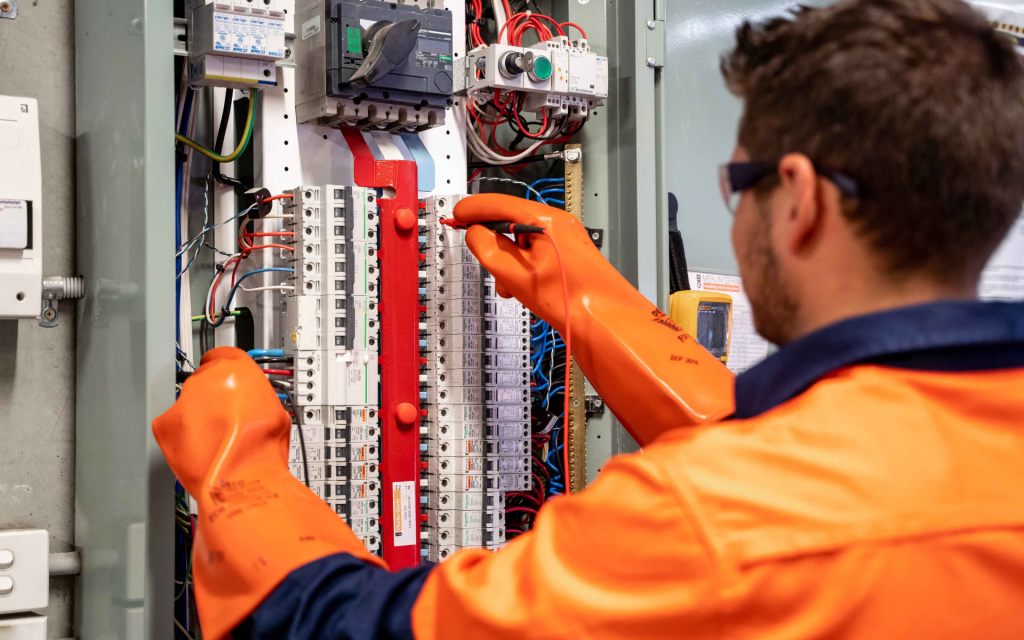
Cost is often a major factor for homeowners. While we cannot provide exact quotes without seeing the job, understanding the components of pricing can help you budget:
- Service Call / Diagnostic Fees: Most legitimate companies charge a fee to dispatch a licensed truck and technician to your door to diagnose the issue. This covers travel time and the expertise required to pinpoint the fault safely.
- Complexity and Access: Simple repairs like swapping a switch are generally more affordable than tracing a wire break behind finished drywall. Difficult access points (like hot attics or crawlspaces) may influence labor costs.
- Materials and Parts: Standard outlets are inexpensive, but specialized components like GFCI/AFCI breakers or smart home switches carry higher material costs.
- Emergency Services: Repairs required after standard business hours, on weekends, or during holidays typically carry a premium rate to cover overtime labor.
Energy-Efficient Electrical Upgrades for Modern Homes
Upgrading your home’s wiring isn’t just about safety—it’s also about efficiency. As energy costs rise, more Fort Mill homeowners are looking for ways to cut down on monthly bills without sacrificing comfort. Making electrical upgrades with efficiency in mind can lower your utility bills, extend the life of your appliances, and reduce your home’s environmental footprint.
1. Switch to LED Lighting Systems
Traditional incandescent bulbs waste 90% of their energy as heat. By upgrading wiring to support LED lighting, you can cut energy use by up to 75%. LEDs also last 10–25 times longer, which means fewer trips to the store and less hassle replacing bulbs. Many LED systems pair with dimmers or smart switches, giving you full control over brightness and usage.
2. Smart Switches and Programmable Outlets
Smart switches allow you to schedule lights or appliances to turn on and off automatically. This eliminates wasted energy from lights left on overnight or devices that continue drawing power when not in use. For example, a Fort Mill homeowner could program outdoor security lights to activate only from dusk to dawn, reducing unnecessary daytime usage.
3. Whole-House Surge Protection
Surge protectors do more than prevent damage during storms. They also improve efficiency by stabilizing voltage, which reduces wear on sensitive electronics. When integrated directly into your electrical panel, they protect everything from HVAC systems to laptops, extending the lifespan of your equipment.
4. Dedicated Circuits for High-Efficiency Appliances
Modern appliances such as heat pumps, EV chargers, and high-efficiency washers require their own circuits. Installing dedicated lines not only ensures safety but also improves efficiency. Instead of competing with other devices, these appliances get steady, reliable power, which reduces strain and helps them perform at peak levels.
5. Solar-Ready Wiring
Even if you don’t plan to install solar panels right away, upgrading your wiring to be solar-ready prepares your home for the future. Electricians can install conduits and panels designed for easy solar integration. When the time comes, you’ll avoid the cost of major rewiring.
6. Energy Monitoring Systems
Adding energy monitoring devices to your panel gives you real-time insights into how much power each circuit uses. Homeowners often discover that older appliances or inefficient lighting are responsible for a large share of the bill. With this knowledge, you can make smarter decisions about upgrades or replacements.
Energy-efficient wiring upgrades not only save money but also make your Fort Mill home more attractive to buyers. According to the U.S. Department of Energy, energy-efficient homes typically sell faster and for more money than those without upgrades.
How to Choose a Licensed Electrician in Rock Hill
Not all “handymen” are qualified to handle electrical work. To protect your home and insurance validity, follow these criteria:
- Verify Licensing: In South Carolina, professional electrical work requires a license. Ask to see their SC LLR (Labor, Licensing and Regulation) card.
- Check Insurance: Ensure they carry liability insurance and workers’ compensation. This protects you if something is damaged or if a worker is injured on your property.
- Look for Local Experience: An electrician familiar with Rock Hill knows the local building amendments and the common quirks of our specific housing developments.
- Read Recent Reviews: Look for feedback regarding punctuality, cleanliness, and transparency in pricing.
Note: Always ask for an upfront estimate. A reputable electrician will provide a clear explanation of the work required and the associated costs before starting, so there are no surprises.
When to Call an Electrician
Some jobs are safe for homeowners:
- Replacing switches and outlets.
- Installing light fixtures.
These are manageable if you shut off power and test wires first.
But always call a licensed electrician for:
- New circuit or panel upgrades.
- Partial or full rewiring.
- Persistent breaker trips, sparks, or burning smells.
- Smart home integrations.
Basic Electrical Wiring FAQs
This is often caused by high voltage in the home, loose connections in the socket, or incompatible dimmer switches (especially with LEDs).
It is not strictly “illegal” to have, but most insurance companies will not cover homes with active knob-and-tube wiring due to the high fire risk. It is highly recommended to replace it.
Never upgrade a breaker size without upgrading the wire gauge. Putting a 20-amp breaker on 14-gauge wire creates a fire hazard because the wire will overheat before the breaker trips.
If your panel is over 25 years old, uses fuses, feels warm, or if you are adding major appliances (like a heat pump or EV charger), you likely need an upgrade to 200-amp service.
Electrical wiring is essential to home safety and comfort. By understanding the basics, recognizing warning signs, and avoiding common mistakes, you can keep your Rock Hill home safe and efficient.