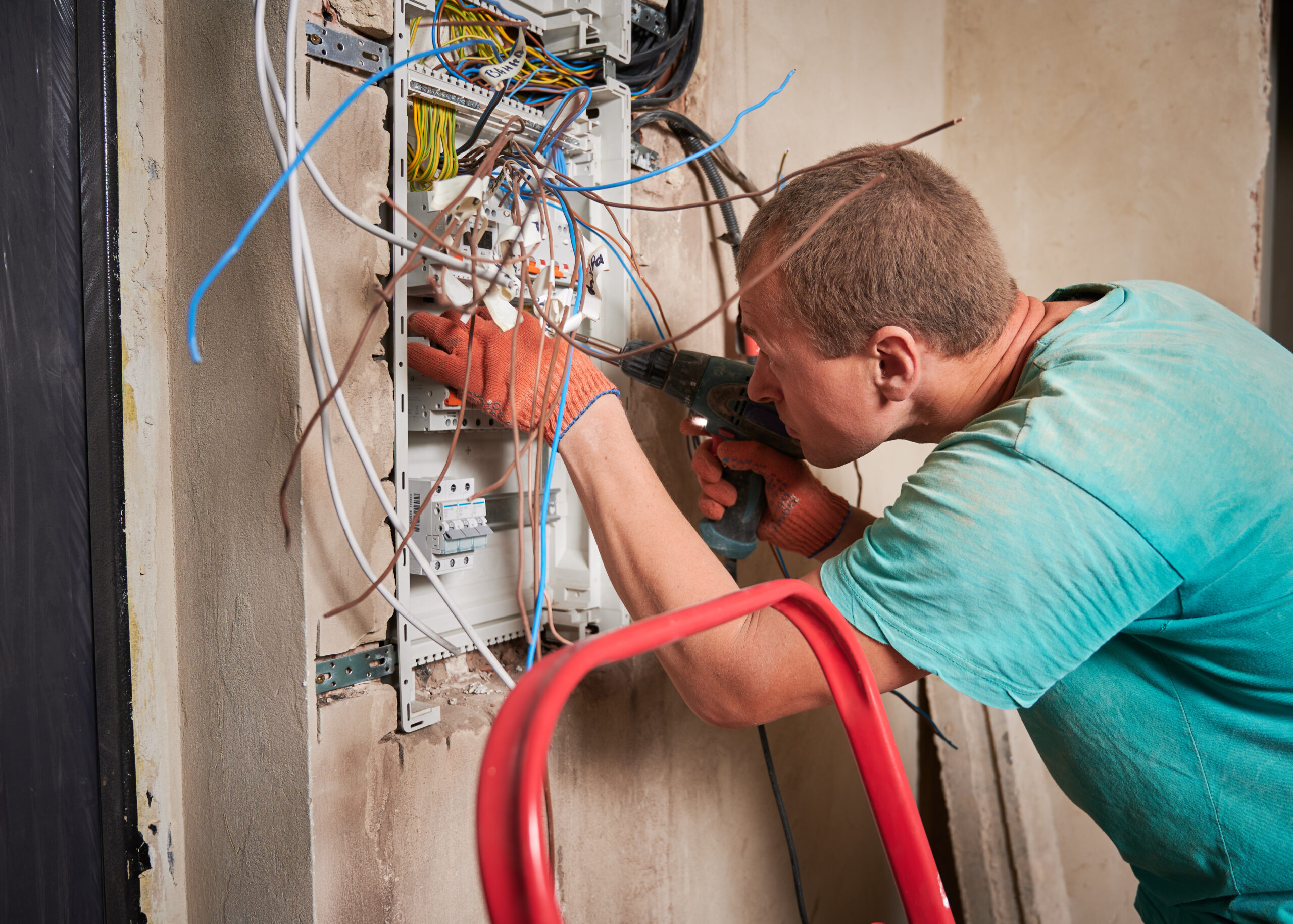
The GFCI vs AFCI question confuses many Fort Mill homeowners. The outlets look alike. The breakers look alike. Yet each one guards against a different danger. Fall has arrived, and wet weather, space heaters, and holiday lights add risk to every home. Johnathon Brown Electric explains the facts in plain terms.
Table of Contents
What Is the Difference Between GFCI and AFCI?
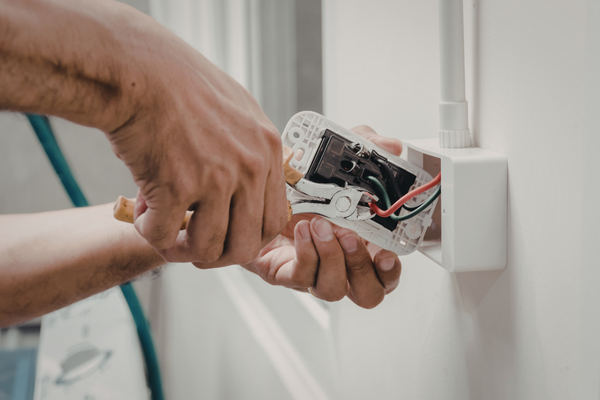
The difference between GFCI and AFCI is the hazard each one stops. A GFCI protects people from electric shock. An AFCI protects homes from electrical fires. A standard outlet does neither.
Here is the quick comparison:
|
Device |
Main job |
Stops |
|
GFCI |
Protects people |
Shock from a ground fault |
|
AFCI |
Protects property |
Fires from an arc fault |
|
Standard outlet |
Delivers power |
No special danger |
What Is a GFCI Outlet?
What is a GFCI outlet? It is an outlet that cuts power when electricity takes the wrong path. That wrong path could be through water, a tool, or a person. This event is called a ground fault.
A GFCI reacts in a fraction of a second. It trips at about a 5 milliamp difference between outgoing and returning current. That is a very small leak. The fast shutoff can prevent a serious shock.
You can spot a GFCI by two buttons on its face. They are labeled “Test” and “Reset.”
Where Are GFCI Outlets Required?
Where are GFCI outlets required? Wet or damp places carry the highest shock risk. NEC 210.8 sets the rules. Required areas often include:
- Bathrooms.
- Kitchens, near sinks and counters.
- Garages and unfinished basements.
- Outdoor outlets.
- Laundry areas.
- Crawl spaces.
Code editions and local rules vary. A licensed electrician can confirm what your home needs. For outdoor outlets in Fort Mill, rain and holiday lighting make GFCI protection very valuable.
What Is an AFCI and Why Does It Matter?
An AFCI detects an arc fault. This is a small electric spark that jumps between damaged or loose wires. The spark can be hidden inside a wall. It can heat nearby wood and insulation.
Common causes include:
- A nail or screw through a cable.
- A loose connection at an outlet.
- A cord crushed behind furniture.
- Worn insulation on older wiring.
An AFCI breaker senses the pattern of an arc and shuts power off. It acts before a fire can start.
Do I Need AFCI Breakers?
Do I need AFCI breakers? In most new homes, yes. NEC 210.12 requires AFCI protection for most living areas. These include bedrooms, living rooms, dining rooms, family rooms, hallways, and many kitchens and laundry rooms.
Older homes may not have them. Many Fort Mill homes were built before these rules arrived. Adding AFCI protection is a practical safety step during a panel upgrade or a remodel.
AFCI vs GFCI Breaker: Which Does What?
The AFCI vs GFCI breaker choice depends on the room and the risk. Use this simple guide:
- GFCI breaker: Protects a whole circuit from shock. Common in wet areas.
- AFCI breaker: Protects a whole circuit from arc fires. Common in living areas.
- Dual-function breaker: Offers both protections in one unit. It suits kitchens and laundry rooms.
Both breakers have a test button. A GFCI or AFCI outlet may protect only that outlet or the outlets after it. A breaker protects the entire circuit.
What About Standard Outlets?
A standard outlet only delivers power. It has no sensor and no shutoff. Many older homes still have them in places that now need more protection.
Tamper-resistant receptacles are another useful upgrade. They have built-in shutters. The shutters block a child from pushing objects into the slots. Most new homes now require them. They protect children but do not replace GFCI or AFCI devices.
How to Test Your Protection This Season
Test your devices once a month. This takes only a few minutes.
- Plug a lamp into the outlet.
- Press the “Test” button. The lamp should turn off.
- Press the “Reset” button. The lamp should turn on.
- Repeat for each GFCI outlet and breaker.
If an outlet fails to trip or will not reset, replace it soon. Learn more about our GFCI outlet installation in Fort Mill, SC and how we protect local homes.
Why Fall Is the Right Time to Check
Cooler weather brings new risks. Rain soaks outdoor outlets. Space heaters run for hours. Lights go up on roofs and trees. Cords get pinched, and connections get stressed. A tested, working GFCI or AFCI adds a layer of safety before the busiest season of the year.
Get Started with a Trusted Fort Mill Electrician
You should not have to guess what protects your family. Johnathon Brown Electric serves Fort Mill homeowners with licensed work and clear answers. Our team will review your outlets and breakers, explain what each one does, and recommend any needed updates.
Do not wait for a shock or a spark to learn the gfci vs afci difference. Contact Us Today to schedule your safety check. Reach out before the holiday season begins.